
The Sugar Reset Drops advertisement is the kind of health promotion that can make you stop scrolling because it seems to offer exactly what many people with blood-sugar concerns want to hear: a simple mixture, a natural ingredient, and a solution supposedly discovered by someone who understands the science. The version I came across goes a step further by bringing Dr. William Li into the story and connecting his name with an “Asian honey drink” or diabetes recipe that is presented as though it could dramatically change blood sugar. That is where this Sugar Reset review starts to fall apart.
After looking into the claims, I would not buy Sugar Reset Drops for diabetes or blood-sugar treatment, and I would not trust the online reviews or videos that use Dr. William Li’s name to sell it. The biggest problem isn’t that the product is packaged as drops or that it is described as a natural supplement. The problem is the story surrounding it: a supposed medical discovery, a famous physician, a secret Asian drink, and promises that go far beyond what a normal dietary supplement should be expected to do. I found no credible evidence that Dr. William Li endorsed Sugar Reset Drops or created a diabetes treatment involving this product.
What Is Sugar Reset Drops Supposed to Do?
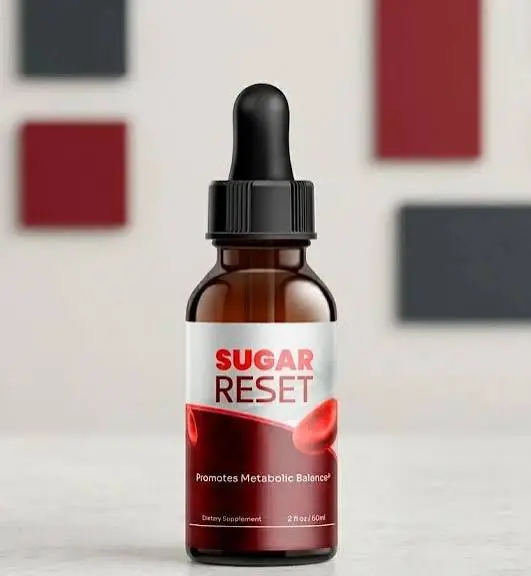
Sugar Reset Drops are marketed online as a blood-sugar or glucose-support supplement. The current sales presentation describes the product as a liquid supplement and uses unusually confident language around its ability to help people dealing with sugar cravings and blood-sugar concerns. It also displays a large collection of supposedly verified customer experiences and claims a 4.76/5 rating across thousands of orders.
Those numbers can look reassuring when you first land on the page, particularly when you are already worried about your blood sugar and are hoping to find something easier than another complicated health routine. But an impressive-looking review counter on a sales website isn’t the same thing as independent evidence that the product works for diabetes. The current Sugar Reset website itself is the source of those figures, which means they should be treated as marketing claims rather than as clinical proof.
That distinction matters even more because the advertising is not simply saying, “Here is a supplement you can take as part of a healthy lifestyle.” The surrounding promotion attempts to make Sugar Reset sound connected to a breakthrough approach to blood-sugar control. Once a supplement starts being presented as an answer to a medical condition, the evidence supporting those claims needs to be much stronger than a page full of testimonials.
Dr. William Li Has Been Pulled Into the Story
The name Dr. William Li is one of the biggest reasons this Sugar Reset promotion can appear convincing. He is a real physician and scientist whose work has focused extensively on the relationship between food, health and disease. His book Eat to Beat Disease discusses the science of food and the body’s natural defense systems and specifically covers diseases including diabetes.
That legitimate background makes his name particularly valuable to somebody trying to sell a questionable health product. A viewer who recognizes Dr. Li may naturally assume that a video featuring him, or a presentation using his photograph and name, represents a genuine recommendation. It doesn’t.
I found no credible evidence connecting Dr. William Li to Sugar Reset Drops, and I found no reliable source showing that he endorsed Sugar Reset as a diabetes supplement. His actual public work centers on nutrition, health defenses, metabolism and scientific research; that is very different from endorsing an online product called Sugar Reset or secretly developing an “Asian honey drink” that supposedly replaces diabetes treatment. His published work describes food-based approaches to health, but that should not be confused with a commercial endorsement of a supplement.
The “Asian Honey Drink” Story Is the Part I Would Question Most
The Asian honey drink is an especially clever piece of the sales pitch because it sounds like the sort of traditional health secret that has supposedly been overlooked by modern medicine. It gives the advertisement a story, rather than simply showing a bottle of drops and asking you to buy it. The viewer is encouraged to believe that there is an easy recipe involving familiar ingredients that can somehow reset the body’s handling of sugar.
But there is no magic in calling something an ancient, Asian or natural recipe. Honey is still a source of sugar, and the fact that an ingredient comes from a particular region does not automatically give it the ability to treat diabetes. More importantly, a recipe shown in an advertisement does not become medically validated because a doctor’s image or name appears alongside it.
This is also where people can get confused about Dr. Li’s genuine interest in food and nutrition. He has written extensively about foods and their relationship to health, including diabetes, but that does not establish that he invented or endorsed the specific Sugar Reset recipe being advertised online.
Are the Sugar Reset Reviews Real?
This is one of the questions I would ask before spending money on the product. The Sugar Reset sales site currently claims 9,368 verified orders and 1,153 written reviews, along with a 4.76/5 overall rating. It also displays individual testimonials describing improvements after several weeks of use.
Those figures are presented as “verified,” but the page itself is still the seller’s own marketing environment. That doesn’t make every customer statement automatically fake, but it does mean you shouldn’t treat the displayed testimonials as independent clinical evidence. There is a big difference between a customer saying that they felt better after taking drops and a properly designed clinical study showing that the product safely improves blood-glucose control in people with diabetes.
The same problem comes up with many of these online supplement campaigns. A long page of five-star reviews can create the feeling that thousands of people have independently confirmed the product works, even though the consumer has very little information about how those reviews were collected, whether they represent the exact product being advertised, or whether the claimed health improvement was actually measured.
Sugar Reset Complaints Deserve More Attention Than the Star Rating
When researching Sugar Reset complaints, I would pay attention to the purchasing experience as much as the promised health benefits. The current website advertises several purchase packages, including two bottles for $158 and six bottles for $294, with the six-bottle option presented as the largest discount. It also promotes a 60-day guarantee.
A money-back guarantee can certainly make an online purchase feel safer, but it isn’t proof that a product works. The real question for anyone who has already ordered is whether the seller actually honors the refund terms and whether the amount charged matches what the buyer believed they were purchasing. Keep the order confirmation and the original advertisement because those details can become important if you later have to dispute a transaction.
I would also be careful when searching Google for “Sugar Reset Drops reviews.” There are likely to be multiple pages using the product name, and some may simply repeat the same marketing material found on the sales site. A review that copies the seller’s claims about thousands of satisfied customers isn’t independent consumer research.
Can Sugar Reset Drops Treat Diabetes?
This is where I would draw a firm line.
Diabetes is a medical condition that requires proper diagnosis and management. The FDA has repeatedly taken action against companies selling products marketed as treatments for diabetes when those products have not been approved as safe and effective for that purpose. The agency has specifically warned that relying on unproven diabetes products can cause people to delay appropriate treatment.
That warning is especially relevant here because a product being sold as a dietary supplement does not magically become a diabetes medicine. Dietary supplements are regulated differently from drugs, and the FDA notes that supplements can have biological effects and can interact with medications or medical conditions.
I therefore would not use Sugar Reset Drops as a replacement for prescribed diabetes medication, a doctor’s treatment plan, or proper blood-glucose monitoring. If the advertisement makes you believe that a few drops or a honey recipe can “reset” diabetes, that is precisely the kind of claim that deserves skepticism rather than your credit-card number.
Why the Marketing Is More Concerning Than the Bottle
There is nothing inherently suspicious about selling a supplement in liquid form. Plenty of legitimate nutritional products come as drops, powders, capsules or tablets. What concerns me about the Sugar Reset campaign is the way the product is wrapped in a dramatic medical narrative.
The formula is presented alongside claims about blood sugar, while the advertising reportedly uses Dr. William Li’s identity and an “Asian honey drink” story to give the impression that there is some hidden nutritional discovery behind it. That presentation can make the product appear much more scientifically established than it actually is.
The FDA describes health fraud as products promoted with unproven claims to prevent, treat or cure diseases. It also warns that health-fraud products can waste people’s money and, more seriously, cause people to delay proper diagnosis and treatment.
That is exactly why I would not get distracted by whether the bottle itself looks professional. A polished label, a convincing sales video and a large collection of testimonials do not turn a supplement into a clinically proven diabetes treatment.
What About the Sugar Reset Ingredients?
The ingredient question is another area where consumers should avoid jumping from “this ingredient has been studied” to “therefore these drops treat diabetes.”
Individual foods, vitamins, minerals and plant compounds can have interesting effects in laboratory research or nutritional studies. That does not mean a particular combination sold under the Sugar Reset name has been proven to lower blood glucose safely and consistently in people with diabetes.
Dr. William Li’s legitimate work actually provides a useful example of why this matters. His books discuss numerous foods and their effects on the body’s health-defense systems, but that is nutritional science, not evidence that an online supplement carrying his name or image is a proven diabetes treatment.
So I would judge Sugar Reset on evidence specifically connected to Sugar Reset, not on research involving honey, individual nutrients or unrelated studies. That is a much more sensible way to evaluate any supplement.
Is Sugar Reset a Scam?
Based on the campaign I investigated, I consider the Sugar Reset marketing deceptive and would avoid the product being promoted through these claims. The alleged Dr. William Li connection is not something I could verify through credible sources, and I found no evidence establishing that he endorsed Sugar Reset Drops or developed the “Asian honey drink” as a diabetes solution.
I also would not treat the glowing Sugar Reset reviews displayed on the sales page as proof that the product works. The website makes its own claims about verified orders, reviews and customer results, but those figures do not substitute for independent clinical evidence.
Calling something “natural,” “Asian,” “traditional” or “doctor discovered” doesn’t change the standard of evidence. When the subject is diabetes, the consequences of believing an exaggerated claim can be much more serious than simply wasting a few dollars on an ordinary wellness product.
Already Bought Sugar Reset? Here’s What I Would Do
If you already placed an order, don’t panic, but don’t ignore the transaction either. Save the receipt, confirmation email, product page, screenshots of the advertisement and any messages you received from the seller. Check your bank or credit-card statement carefully so you know exactly what was charged and whether the transaction matches what you expected when you placed the order.
If you believe you were charged unfairly, the product was misrepresented, or you were unable to obtain a promised refund, contact your bank or credit-card company and explain the circumstances. Give them the documentation you saved rather than relying on memory of what the advertisement said.
For suspected internet fraud, you can also report the matter to the FBI’s Internet Crime Complaint Center, or IC3. The FBI says IC3 is the central reporting point for cyber-enabled fraud and scams, and complaints can be analyzed and referred to appropriate law-enforcement agencies and partners for possible investigation.
Don’t Let a Supplement Advertisement Make a Medical Decision for You
There is a reason these advertisements focus so heavily on people who are tired of dealing with blood-sugar problems. Managing a chronic condition can be frustrating, expensive and exhausting, so the promise of a simple natural solution is understandably attractive. Nobody wants to hear that they need another appointment, another prescription or another change to their routine when a video is promising that a few drops and a simple drink can solve everything.
But that is precisely when it pays to slow down.
If you have diabetes, prediabetes, unexplained high blood sugar or symptoms that concern you, talk to a qualified healthcare professional rather than relying on a social-media advertisement. The FDA specifically recommends consulting a healthcare professional before buying unproven products for diabetes, and it warns that ineffective products can interfere with proper disease management.
Conclusion
After looking at the Sugar Reset Drops marketing and the Dr. William Li story surrounding it, I would not recommend buying Sugar Reset Drops as a diabetes solution. The supposed William Li endorsement is not supported by credible evidence I could find, and the “Asian honey drink” presentation gives the product a level of medical authority that has not been established.
The Sugar Reset website may show thousands of orders and more than a thousand written reviews, but those are seller-provided figures, not independent clinical evidence that the drops can treat diabetes or safely control blood sugar. The bigger concern is the way the product is being sold through a story that makes a complicated medical condition sound as though it has a secret, easy fix.
So when people ask, “Is Sugar Reset Drops a scam?”, my answer is that I would stay away from the Sugar Reset campaign using the Dr. William Li, diabetes recipe and Asian honey drink story. I would not trust the supposed endorsement, I would not rely on the glowing online reviews as medical evidence, and I certainly would not replace legitimate diabetes treatment with these drops.
For anyone searching for Sugar Reset Drops reviews, the important thing to remember is that a convincing health story is still only a story until there is reliable evidence behind it. When your health is involved, a real doctor is a far better source of advice than a sales video.
Check out Mansculpt wave therapy plus that I talked about earlier.