
VisiVra is being promoted online as an eye health supplement that supposedly can reverse years of declining eyesight with something called the “7-minute sniper protocol.” The sales video makes the claim sound like a medical breakthrough that has somehow been kept away from the public, and it uses familiar faces to make the story seem believable. Clint Eastwood, Scott Eastwood, retired Gen. Mark Milley and George W. Bush are all dragged into the promotion through manipulated or AI-generated footage, while the video also gives viewers the impression that CBS News and 60 Minutes investigated the supposed eye treatment.
There is a problem with that story: none of those people have been established as genuine VisiVra endorsers, and there is no credible evidence that 60 Minutes, CBS News or Norah O’Donnell reported on VisiVra as the advertisement suggests. The supposed “7-minute” treatment is not presented as a legitimate medical therapy backed by a recognized eye-care institution either. Once you look past the celebrity footage and dramatic promises, VisiVra looks like another supplement sales funnel built around a fake news story.
What Is VisiVra Supposed to Do?
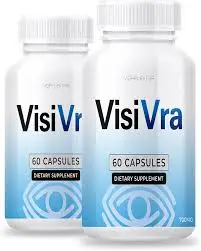
VisiVra is presented as a dietary supplement for vision and eye health, but the advertising goes much further than the ordinary claim that a supplement may provide nutritional support. The video suggests that viewers can reverse long-term eyesight problems by following a secret “7-minute sniper protocol,” creating the impression that a simple routine can somehow undo years of vision decline.
That is an extraordinary promise, especially when the sales presentation suggests that the information has been hidden or suppressed. The story is structured to make viewers feel that they have stumbled across information that doctors, hospitals and the mainstream media supposedly don’t want them to know about.
The supposed eye-health recipe is another part of the hook. Viewers are encouraged to watch a long presentation because they believe they are about to receive a free recipe or treatment method. Eventually, the presentation leads to the VisiVra supplement offer. In other words, the “recipe” is not really the product being given away; it is a way of keeping people engaged with the sales video until the purchase pitch appears.
The Clint Eastwood VisiVra Video Is Not a Real Endorsement
Clint Eastwood is one of the most recognizable actors in Hollywood, which makes him an extremely useful person for scammers to put into a fake advertisement. If a viewer sees Eastwood apparently talking about an eye treatment, it immediately gives the presentation a level of familiarity and authority that a random supplement advertisement would never have.
But the fact that a video appears to show Clint Eastwood talking about VisiVra does not mean he actually did so.
The promotion uses unauthorized AI-generated or manipulated depictions of public figures to create the appearance of endorsements that do not exist. Scott Eastwood is also brought into the story, along with other well-known figures, apparently to make the presentation look like a genuine investigation rather than an online sales pitch.
This is exactly why people need to be careful with celebrity videos circulating on social media. A recognizable face is no longer proof that the person actually said what the video claims. Artificial intelligence can be used to manipulate a person’s face, voice or existing interview footage and then place that material inside an entirely fabricated story.
There is no legitimate reason to believe that Clint Eastwood discovered a secret VisiVra eye protocol or is personally recommending the supplement.
What Does 60 Minutes Have to Do With VisiVra?
According to the promotional video, 60 Minutes and CBS News supposedly reported on the VisiVra story, with Norah O’Donnell also appearing as part of the presentation. This is another part of the advertisement designed to make the product look as though it has been independently investigated by a major news organization.
It hasn’t been established that this happened.
Using a familiar television program, journalist or network in a fabricated health story is an old trick, but AI-generated video has made it much easier to pull off. A fake news page can be designed to resemble a legitimate CBS article, while an edited or generated video can make it appear as though a respected journalist is introducing the story.
For somebody scrolling through Facebook, YouTube or another platform, the presentation can look convincing enough that they never stop to ask the basic question: did CBS actually publish this story?
A real news report would leave a substantial trail. Instead, these promotions generally send viewers toward another sales page where the ultimate objective is to sell the supplement.
The “7-Minute Sniper Protocol” Sounds Impressive, But Where Is the Evidence?
The phrase “7-minute sniper protocol” is memorable because it sounds like the name of a specialized technique used by experts. It gives the sales pitch an air of precision, as though doctors have discovered a particular seven-minute procedure that can dramatically improve eyesight.
But giving something a catchy name does not make it a medical treatment.
The VisiVra promotion does not provide convincing clinical evidence showing that a seven-minute routine can reverse decades of vision loss or restore perfect eyesight. There is no reason to assume that a person who has developed cataracts, glaucoma, macular degeneration, diabetic eye disease, refractive errors or another eye condition can simply reverse the problem by following an internet protocol.
Vision loss has many possible causes, and some conditions require proper diagnosis and treatment to prevent further damage. That is why the promise of one secret recipe that supposedly works for everyone should be treated with considerable skepticism.
The Checkout Page Is Part of the Story Too
The VisiVra sales process also deserves attention because the checkout page is where some of the less obvious terms can be buried.
One particularly questionable detail is the placement of the terms and conditions and privacy-policy consent at the very bottom of the checkout, with the box reportedly pre-checked. A customer moving quickly through the purchase process could easily overlook what they are agreeing to, particularly if the page is designed around a large discount, countdown or other sales incentives.
This is not a medical issue. It is a consumer issue.
Whenever you are purchasing an unfamiliar supplement online, the price displayed in the advertisement is not necessarily the only thing you need to understand. The checkout terms can determine whether the order is one-time, whether additional products are offered, whether recurring billing applies and what the company requires if you want a refund.
Could VisiVra Charge You Again?
Recurring billing is another concern associated with this type of supplement sales funnel. Some online supplement operations use subscription arrangements that are easy to miss during checkout, while others offer upsells immediately after the first order.
I would not claim that every VisiVra customer is automatically enrolled in a monthly subscription without evidence showing that every order works that way. However, the possibility of recurring charges is serious enough that anyone reaching the checkout page should read the billing terms before entering card details.
The same goes for upsells. A person may initially think they are buying one bottle at a promotional price, only to encounter additional offers immediately afterward. These sales funnels are designed to increase the total value of each transaction, and a customer who is not paying attention can end up spending substantially more than expected.
If you have already ordered VisiVra, check your card or bank statement for charges you do not recognize. If you see recurring payments you did not knowingly authorize, contact the seller and your card issuer promptly.
What About the 100% Money-Back Guarantee?
The VisiVra promotion reportedly makes the kind of money-back promise that is common in supplement marketing, including claims of a 100% refund guarantee. That sounds reassuring until you consider how little a guarantee tells you about whether the product actually works.
A refund policy is a contractual promise from the seller. It is not scientific evidence.
A company can advertise a generous guarantee and still leave customers frustrated if the cancellation process is difficult, support does not respond, return requirements are unclear or additional charges are involved. This is why I would never use a “100% money-back guarantee” as the reason to believe an eye supplement can restore vision.
The medical claim has to stand on its own, and VisiVra does not provide convincing evidence for the extraordinary results presented in its advertising.
The Fake Recipe Is Part of the Sales Funnel
One of the more revealing parts of the VisiVra promotion is the promise of a secret recipe. The video spends considerable time building curiosity around an apparently simple method that viewers are supposedly going to learn for free.
You keep watching because you expect the recipe to be revealed.
Then, after the story has introduced celebrities, doctors, television networks and claims about a hidden discovery, the presentation eventually moves toward the VisiVra supplement. This is a classic advertorial structure, but the problem becomes much more serious when the entire presentation is made to look like genuine medical reporting.
There is no magical eye recipe waiting at the end of the video that suddenly turns the product into a proven treatment. The recipe is essentially the bait that gets the viewer through the sales presentation.
Why the Celebrity Names Matter
The use of Clint Eastwood, Scott Eastwood, Mark Milley and George W. Bush is not incidental. Each name is recognizable to a different audience, and putting several well-known people into the same supposed story can make the promotion feel much larger than an ordinary supplement advertisement.
That does not make the claims more credible.
None of these people should be treated as VisiVra endorsers simply because an online video places their faces or apparent voices next to the product. The same applies to doctors or journalists shown in the presentation. A manipulated clip can make almost anyone appear to recommend something.
The safest way to evaluate a product is to look at the actual evidence for the product rather than the celebrity supposedly standing behind it. In VisiVra’s case, the celebrity material is doing a lot of the selling, while the evidence for the promised vision restoration is remarkably thin.
VisiVra May Not Be the Only Name Used
There is another point worth mentioning for anyone trying to investigate this particular promotion. These operations do not necessarily stick with one product name forever.
A sales funnel can disappear and return under a slightly different name, domain or bottle design. A product called VisiVra today could potentially be replaced by another name built around the same basic eye-health story. That is why someone who searches for one brand and finds nothing later should not assume that the underlying operation has disappeared.
The names can change. The sales formula remains familiar: a dramatic health claim, a supposed secret recipe, a famous person, a fake news story and an eventual supplement checkout.
That also helps explain why it can be difficult to find a straightforward company address or the actual people responsible for the promotion. When a website is built primarily as a sales funnel and provides little transparent information about the business behind it, consumers have less information about who would actually be responsible if something goes wrong.
Should You Buy VisiVra?
I wouldn’t.
If someone simply wanted to sell a conventional eye-health supplement with clearly identified ingredients, transparent company information and realistic claims, that would be a different situation. But VisiVra is being pushed through a much more elaborate story involving supposedly secret medical information, fake celebrity endorsements, fabricated news coverage and a “7-minute sniper protocol” that is presented as though it can reverse decades of vision problems.
That is not a sales pitch I would trust with my money or my eyesight.
And if you are experiencing blurry vision, worsening eyesight, flashes, floaters, eye pain or another change in your vision, an online supplement is not a substitute for an eye examination. An optometrist or ophthalmologist can actually examine your eyes and determine what is causing the problem. That is considerably more useful than watching a celebrity deepfake promise a secret cure.
Conclusion
After looking at the claims surrounding VisiVra, I would not consider this a legitimate breakthrough for restoring eyesight. The product is being promoted with a story that depends heavily on unauthorized AI-generated celebrity depictions and fake-looking news coverage, while the central promise of reversing decades of eye decline with a seven-minute protocol is not supported by credible evidence.
The Clint Eastwood connection is fake. The supposed 60 Minutes and CBS News coverage should not be treated as genuine reporting. Clint Eastwood, Scott Eastwood and the other public figures shown in the advertisements should not be considered VisiVra endorsers simply because their likenesses appear in the videos.
For readers searching for information on VisiVra, my answer is that I would stay away from the offer being promoted through these videos. The problem is not merely that the product makes ambitious claims. The entire sales presentation appears designed to manufacture credibility by borrowing the faces and reputations of people who are not actually behind the product.
If you have already purchased VisiVra, keep an eye on your bank or credit-card statement, particularly for recurring charges or purchases you did not intend to make. If you believe you were charged without authorization, contact your card issuer and dispute the transaction where appropriate. Most importantly, don’t let an online video convince you to delay proper eye care. Your eyesight is far too valuable to gamble on a “secret” internet protocol.
Check out Mansculpt wave therapy plus that I talked about earlier.