
If you’ve been seeing those viral ads for Nervalis or NutraGreen Nervalis on Facebook or Instagram, you’re probably wondering whether the supplement is real or just another nerve pain scam. After tracing the ads, the websites, the fake news clips and the checkout funnel, it’s clear that what’s circulating is a scam that misuses the names Nervalis and NutraGreen to trick people into buying nerve-pain pills promoted through deepfake videos.
To be very clear from the start:
No real Nervalis product and no actual company named NutraGreen is behind this scam.
Their names are simply being hijacked for fraudulent advertising. Victims often end up contacting innocent companies, but they can’t help because they’re not involved at all.
This review focuses on the scam that misuses these names, not on any legitimate supplement or business that happens to share them.
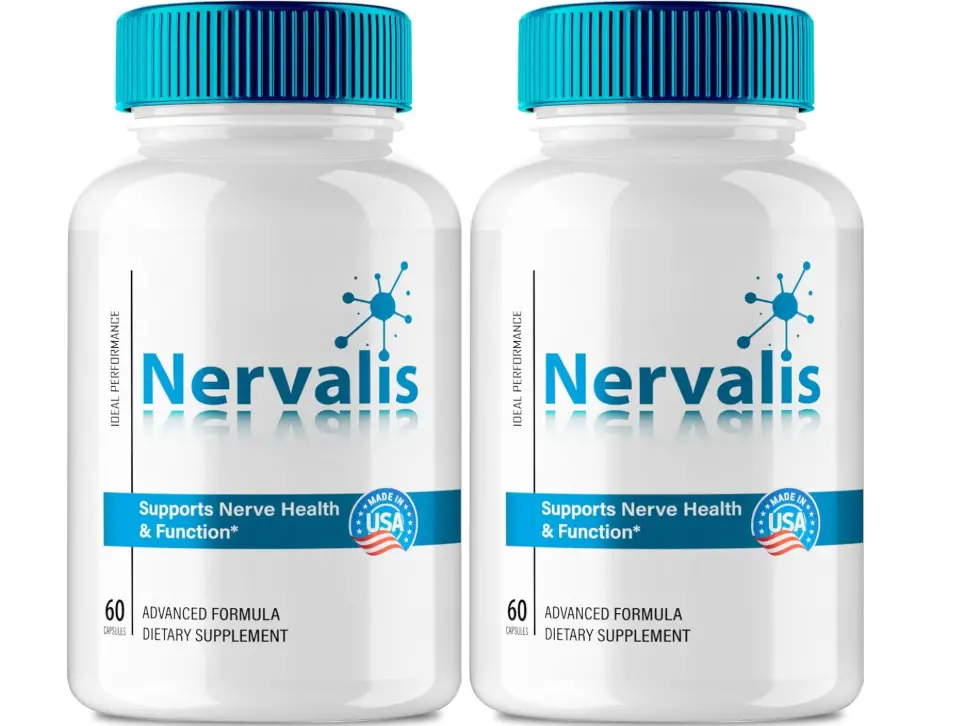
How the Nervalis Scam Reaches People
The scammers run aggressive ads on Facebook, Instagram and YouTube. The ads look convincing because they use deepfake footage and AI-generated voices of well-known people. In the ads I reviewed, the scammers used:
- Deepfake Elon Musk
- Fake quotes about “Big Pharma”
- Fake news anchors
- AI-generated doctors
- Misused photos of supplement bottles
These videos have the tone of a serious news report, but if you look closely, the lip syncing is slightly off, the speech pacing glitches and nothing matches real broadcasts.
The ads push viewers to a strange URL: nutragrenn.offers-promotions-sales.com
The page claims:
“New natural discovery gains prominence among wellness experts. Watch now and see how this can make a difference in your daily life.”
Nothing about the site feels like a real company. No about page. No customer service. No parent brand. Just a big button telling you to watch a “special report.”
The Fake NBC News Clip
After clicking, the site sends you to: nutraneurohealth.online
This is where the scammers host a long AI-created video pretending to be a segment from NBC Nightly News with Tom Llamas. The clip includes:
- Manipulated footage of Tom Llamas
- Fake reporting from Maggie Vespa
- A headline claiming a “miracle nerve pain discovery from Mexico”
- Deepfake Elon Musk accusing companies of selling “profitable poison”
- Deepfake Dr. Eric Berg
- A completely made-up “Dr. Michael Stevens”
Every part of it is artificial, The “breaking news” graphics are copied from NBC designs, but not perfectly. The voices pause in weird places. The camera angles don’t match real studio shots. And the script sounds like it was stitched together from every health scam ad floating around the internet.
The Supplement They Try to Sell
The bottle shown in the video is labeled:
“Formula designed to support healthy nervous system function.”
Scammers often steal photos of legitimate supplement bottles, crop out brand details, and reuse the image to make the fake product appear real. It’s impossible to tell who the real manufacturer of that bottle is, because the scammers repurpose whatever photos they can find online.
Again, no real supplement company is involved in these ads. The scammers simply borrow names and pictures to make quick money.
Where the Scam Funnel Leads
After watching the fake news report, the page pushes you toward checkout screens that look suspiciously like CartPanda templates. There are no:
- Terms and conditions
- Clear refund policies
- Company history
- Verified business details
Everything is built to take payment as fast as possible before you notice anything is wrong.
The sales pitch relies heavily on emotional pressure:
- Promises of a cure
- Fear of prescriptions
- Claims that Big Pharma is hiding a breakthrough
- Dramatic “success stories” that feel rehearsed
None of it is backed by science.
Why So Many People Search “Nervalis Reviews” and Find Nothing
When you Google things like:
- Nervalis reviews
- Nervalis complaints
- Nervalis scam
- Nervalis legit
there are very few reliable sources explaining what’s going on. That confusion makes more people fall for the scam because the fake videos look “official” at first glance.
Once you follow the funnel step by step, though, the whole thing unravels. It’s the same formula used in other AI-generated supplement scams:
- Exotic ingredients
- Miracle claims
- Deepfake celebrities
- Fake news impersonations
- High-pressure checkout
- No real company behind the product
Who Is Actually Running This Scam?
There’s no verified owner listed on any of the websites. No business registration. No physical address. No customer service that can be traced back to a real brand.
Each site is hosted anonymously and registered recently. The scammers rotate domains often to avoid getting shut down.
If You’re Dealing With Nerve Pain
Scammers love targeting people who are desperate for relief. But no deepfake ad can replace real medical advice.
If you have chronic nerve pain, talk to:
- A licensed doctor
- A neurologist
- A pain management specialist
Not a website pretending to be NBC News.
Nervalis Scams Are Getting More Advanced, Not More Honest
The Nervalis scam isn’t just another fake supplement ad. It’s part of a growing trend of deepfake-driven fraud that uses celebrities, news anchors and made-up doctors to push people into buying a bottle of mystery pills.
Conclusion
If you were searching for Nervalis supplement reviews, Nervalis scam, or Is Nervalis legit, the safest answer is simple:
The ads online are fake. The funnels are fake. The endorsements are fake.
And the companies whose names are being misused are not involved in any way.
Stay cautious, and share this review with anyone who might be tempted by these viral videos before they get drawn in by the deepfake trap.
Check out the Frownies Patch I reviewed earlier.