
The supplement world has officially reached the point where one capsule apparently promises to fix everything. Energy? Better. Digestion? Better. Sleep? Better. Weight loss? Of course. Joint support too? Why not.
That’s basically the vibe surrounding Alevia Amla right now.
The product is getting attention online because it uses amla extract, an ingredient already known in wellness circles for its antioxidant content and traditional health uses. But once you get past the polished marketing and broad health promises, the real question becomes: does Alevia Amla actually deliver meaningful results, or is it another supplement trying to sound more powerful than it really is?
Honestly, it feels like a mix of legitimate wellness ingredients wrapped in very exaggerated marketing.
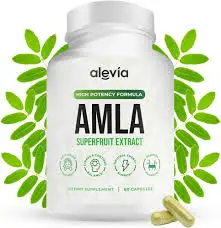
What Is Alevia Amla?
Alevia Amla is a dietary supplement centered around amla extract, also known as Indian gooseberry. Amla has been used for years in traditional wellness practices and is often promoted for its antioxidant properties and nutritional value.
That part is real.
Amla itself isn’t some made-up mystery ingredient.
The issue starts when supplement marketing stretches those general wellness benefits into claims that sound almost unlimited. Suddenly one supplement is supposedly helping energy, metabolism, digestion, sleep quality, joint health, and overall body performance all at the same time.
That’s where skepticism becomes reasonable.
Can One Supplement Really Do All That?
This is probably the biggest red flag with Alevia Amla.
Whenever a supplement claims to improve almost every area of health simultaneously, it’s usually smart to slow down and look more carefully. Supporting general wellness is one thing. Claiming one ingredient can dramatically impact weight, energy, sleep, digestion, and joints all together is another story entirely.
That doesn’t mean amla has no benefits.
It just means the marketing probably goes much further than the actual science.
The Clinical Proof Feels Weak
Another thing worth mentioning is the lack of strong clinical evidence specifically tied to the product itself.
You’ll often see supplement companies lean heavily on general studies involving ingredients rather than studies proving their exact formula produces the advertised results. That distinction matters more than most people realize.
Right now, there doesn’t appear to be strong peer-reviewed evidence proving Alevia Amla delivers the dramatic transformations some of the ads imply.
The Disclaimer Says A Lot
One thing people tend to ignore is the actual disclaimer attached to many supplements like this.
Products often clearly state they are not intended to diagnose, treat, cure, or prevent disease and that the claims have not been evaluated for medical use.
That’s important.
Because despite all the bold marketing language, the company itself is legally acknowledging the supplement isn’t medically proven to do what many buyers may assume.
The Reviews Feel Mixed
Another thing that stands out is the quality of the reviews surrounding Alevia Amla.
Some reviews are positive, but many feel extremely generic, vague, or overly polished. That doesn’t automatically mean they’re fake, but it does make it harder to separate genuine customer experiences from marketing-driven feedback.
There are also occasional complaints involving order issues, unexpected charges, or customer service frustrations, which is something buyers should keep in mind before purchasing.
Does Alevia Amla Actually Work?
Here’s the honest answer: it depends on what someone expects.
If a person is simply looking for a general antioxidant supplement tied to traditional wellness ingredients, they may find Alevia Amla perfectly acceptable. But if someone expects dramatic weight loss, major energy boosts, better sleep, improved digestion, and pain-free joints all from one product, disappointment becomes much more likely.
The marketing creates expectations that sound bigger than what most supplements realistically deliver.
Pros And Cons Of Alevia Amla
Pros
-Contains amla extract, a known antioxidant ingredient
-Marketing appeals to general wellness audiences
-Easy to use as a daily supplement
-May support basic nutritional wellness
Cons
-Claims too many health benefits at once
-Limited clinical proof for advertised results
-Not evaluated for medical treatment purposes
-Some reviews feel generic or overly promotional
-Complaints about billing and order issues exist
Is Alevia Amla Worth Buying?
Alevia Amla doesn’t look like an outright fake supplement, but it absolutely feels overmarketed. The ingredient itself has a legitimate wellness background, yet the product advertising stretches those benefits into territory that sounds unrealistic.
Conclusion
At the end of the day, this feels less like a miracle health breakthrough and more like another supplement using broad wellness claims to attract attention online. If you’re interested in amla as a general antioxidant supplement, that’s one thing. But if you’re expecting life-changing results across every part of your health, the marketing is probably setting expectations way too high.
Check out the Frownies Patch I reviewed earlier.