
In recent weeks, a new phishing scheme called the Amazon Safety Recall Text Scam has been circulating, catching even cautious shoppers off guard. The messages look urgent and convincing, claiming that a product you purchased from Amazon “does not meet safety standards” or has been recalled. On the surface, it sounds like Amazon is trying to protect you, but that’s exactly how the scammers get you.
How the Amazon Safety Recall Text Scam Works
Here’s how this scam plays out:
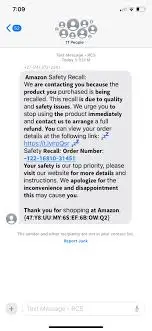
You receive a text message that appears to be from Amazon, warning that one of your previous orders has been recalled for safety reasons. The message might read something like:
“Amazon Alert: A product from your recent order does not meet Amazon standards. Click here to verify your information and resolve the recall.”
The text usually includes a link, sometimes shortened (like bit.ly or tinyurl links), that looks harmless at first. But when you click it, it leads to a fake Amazon login page designed to steal your personal information. Once you enter your username, password, or payment details, the scammers have access to your Amazon account and potentially your saved credit cards.
Why This Scam Feels So Real
What makes the Amazon recall text scam so effective is how believable it looks.
- The texts often use Amazon’s name and logo.
- The messages are worded in the same professional tone you’d expect from a real recall notice.
- Scammers even include fake order numbers or product names to make it look specific to you.
Many victims say the texts came shortly after they made a genuine Amazon purchase, which makes them even easier to fall for.
Real Warnings from Authorities
Police departments in several states, including Hampstead, New Hampshire, have confirmed that residents are reporting the exact same scam messages. These aren’t isolated cases, this is a widespread phishing campaign targeting Amazon users nationwide.
Authorities have warned people not to click any links or respond to these messages. Amazon itself has publicly stated that it never sends texts asking for login details or payment verification through third-party links.
How to Stay Safe from the Amazon Recall Text Scam
Here are a few key steps to protect yourself if you get one of these messages:
- Enable two-step verification on your Amazon account for extra protection.
- Don’t click the link. Go directly to Amazon.com or open the official Amazon Shopping app to check your orders.
- Ignore and delete the message. Don’t reply or engage with the sender.
- Report it to Amazon. Forward the message to [email protected] so their security team can investigate.
- Change your password if you accidentally clicked the link or entered your credentials.
Signs You’re Dealing with a Scam
Watch for these red flags in any message claiming to be from Amazon:
- The link doesn’t go to a page ending in Amazon.com.
- The message contains spelling errors or slightly off grammar.
- It creates panic, urgency, or fear, urging you to “act immediately.”
- It mentions a recall but gives no details about the actual product.
If you’re unsure, always verify through your official Amazon account instead of trusting the text.
Conclusion
The Amazon Safety Recall Text Scam is a dangerous phishing attempt disguised as a customer safety notice. It preys on trust and fear, making you think you’re protecting yourself, when in reality, you’re handing your information to scammers.
Amazon will never ask you to confirm your account or product details through a random text message. The safest move? Delete the text, report it, and keep your personal data where it belongs, secure and private.
From the foregoing, it is crystal clear that it is a scam like the Kelly Services scam,