An email telling you that an ANWB car cooler has been reserved for you might sound like a pleasant surprise, especially if you are a member of the Dutch motoring organization or have recently taken part in an online survey. The message may say that you were selected to receive a free autokoelbox, that your prize is waiting to be claimed, or that the cooler will soon be offered to someone else if you fail to confirm your details. Before clicking anything, however, there is an important detail to understand: the ANWB Coolbox email circulating online has been flagged as fraudulent by Dutch anti-fraud sources.
The scam relies on a simple idea. Most people would be curious about a free gift, and the mention of a familiar organization makes the offer seem more believable. The email may look like a routine prize notification, complete with a picture of a car cooler and a button to claim it. Once you click the link, you may be taken to a fraudulent website designed to collect personal information or payment details.
In this ANWB Coolbox email scam review, we explain how the fake autokoelbox offer works, why the message should not be trusted, and what to do if you have already clicked the link. If you have received an email saying your ANWB coolbox is waiting for you, here is what you should know before responding.
What Is the ANWB Coolbox Email Scam?
The ANWB Coolbox email scam is a phishing campaign in which criminals impersonate ANWB, the Dutch motoring and travel organization, to persuade recipients to claim a supposedly free car cooler. The Dutch word autokoelbox refers to a car cooler or portable cooling box, making the offer sound like a practical gift for road trips, holidays, and long drives.
According to the Dutch Fraudehelpdesk, a fraudulent message has circulated under the subject or wording “ANWB, uw autokoelbox wacht op u,” which translates roughly to “ANWB, your car cooler is waiting for you.” The message creates the impression that a cooler has already been set aside and that the recipient simply needs to confirm the claim. Fraudehelpdesk has identified the email as fake, and ANWB also provides guidance on recognising phishing messages sent in its name.
You can read the Fraudehelpdesk warning about the fake ANWB autokoelbox email and check ANWB’s official advice on recognising phishing.
The important thing to understand is that this is not simply an unsolicited advertisement for a cheap cooler. The message uses ANWB’s name to create trust and encourage people to follow a link without questioning whether they actually entered a competition or qualified for a gift.
How Does the Fake ANWB Coolbox Email Work?
The email generally presents the cooler as a gift that is already available to the recipient. In some versions, the recipient is supposedly being rewarded for completing a customer survey; in others, the message suggests that the cooler has been reserved but has not yet been collected. Both approaches encourage the reader to believe that the gift is theirs for the taking.
The next step is to introduce a deadline. The message may claim that the recipient has only 48 hours to confirm the prize or that the cooler will soon return to general stock. This creates pressure to act before the offer disappears. Someone who believes they have genuinely won a gift may be more interested in claiming it quickly than in checking the sender’s address or inspecting the destination of the link.
Clicking the confirmation button can take the recipient to a website that imitates a legitimate promotion or prize-claim page. Depending on the version of the scam, the page may request a name, email address, home address, telephone number, or other personal information. It may also ask for a small delivery or administration fee, requiring the visitor to enter card details.
That supposed delivery fee can be particularly persuasive because the offer is advertised as free. A recipient may reason that paying a small amount to receive a useful car cooler is worthwhile, without realising that the payment page could be intended to collect financial information. Even when a page looks professional and includes ANWB branding, that does not establish that the promotion is genuine.
Is the ANWB Free Car Cooler Offer Legit?
No, the specific fraudulent email identified by Fraudehelpdesk should not be treated as a genuine ANWB prize notification. The organization has flagged the message, and ANWB’s own phishing guidance explains how criminals misuse its name in emails and text messages.
This does not mean that every competition or promotion mentioning ANWB is automatically fraudulent. The concern is the particular message claiming that a car cooler has been reserved for you, especially when it asks you to click an unfamiliar link and act before an artificial deadline.
Think about how you received the offer. Did you actually enter a competition or complete a survey through an official ANWB channel? Can you find the promotion by visiting ANWB’s genuine website independently? Is there a clear explanation of the giveaway’s terms and conditions? If the only evidence that you have won is an unexpected email directing you to an unfamiliar website, there is no good reason to trust it.
A genuine-looking logo, a photograph of a cooler, and a message addressed to you personally are not proof of legitimacy. Scammers can copy branding and use information from other sources to make their messages more convincing. The safest response is to verify the promotion through ANWB’s official channels rather than follow the instructions in the email.
How to Recognise a Fake ANWB Email
One of the first things to check is the sender’s full email address. A message may display “ANWB” as the sender name while using an unrelated email domain. Look carefully for misspellings, extra words, unusual domain extensions, or addresses that have nothing to do with the organization’s official services. However, do not rely on the sender address alone, because sender details can sometimes be forged.
The wording of the email can also reveal its purpose. Messages that insist you must claim a prize immediately, threaten to cancel a reserved gift, or repeatedly push you toward a confirmation button deserve extra scrutiny. The promise of a free cooler is meant to make the recipient focus on the reward rather than the information being requested.
Pay attention to the link destination before interacting with it. A button saying “Claim Your ANWB Cooler” could lead somewhere entirely unrelated to ANWB. You do not need to open the link to investigate the offer; visit the official website independently and look for information about the promotion.
Be particularly careful if the page requests card information to pay a small delivery fee, asks you to create an account using an existing password, or demands personal information that appears unnecessary for a giveaway. These requests can expose you to financial fraud, account theft, and further phishing attempts.
What Should You Do If You Receive the ANWB Coolbox Scam Email?
If the email is sitting in your inbox and you have not clicked anything, do not respond or follow its links. You can report the message as phishing through your email provider and consult ANWB’s official phishing guidance. In the Netherlands, suspicious messages can also be reported to the Fraudehelpdesk, which provides information about current fraud attempts.
If you have already clicked the link but did not enter any information, close the page and do not download anything it offers. A click alone does not necessarily mean your device or account has been compromised, but it is sensible to avoid further interaction with the website.
If you entered your name, email address, telephone number, or home address, be alert to follow-up messages that use those details to make other scams seem genuine. Criminals may use submitted information to target you with fake delivery notices, prize offers, account warnings, or other fraudulent communications.
If you entered your bank card details or paid a supposed shipping fee, contact your bank promptly through its official telephone number or banking app. Explain what happened and ask whether the transaction should be blocked or the card replaced. If you created an account using a password you also use elsewhere, change that password on the affected accounts.
Anyone who supplied banking credentials or approved an unexpected payment should act quickly, because contacting the bank early can help limit further losses.
How to Protect Yourself From ANWB Phishing Emails
The best way to avoid this type of scam is to separate the offer from the instructions contained in the email. Instead of using a link in a message promising a free gift, open a new browser window and visit ANWB’s official website yourself. If the promotion is genuine, you should be able to find reliable information about it without relying on the email’s claims.
It is also worth remembering that scammers frequently reuse familiar brands because people are more likely to trust an organization they recognise. ANWB is not the only company whose name can be exploited in fake prize notifications. Similar tactics appear in messages impersonating delivery services, retailers, banks, and membership organizations.
Keep your email account protected with a strong, unique password and enable two-factor authentication where available. Never provide card details or login credentials merely to claim an unexpected prize, and be cautious about offers that combine an attractive gift with a strict deadline.
Conclusion
The ANWB Coolbox email scam is a fraudulent prize-claim scheme that uses the promise of a free car cooler to encourage people to click a link and potentially disclose sensitive information. The message claiming that an autokoelbox is waiting for you has been flagged by Fraudehelpdesk, so recipients should not treat it as a genuine ANWB giveaway.
The tactic works because the offer sounds ordinary enough to be believable. A car cooler is a useful item, the ANWB name is familiar to Dutch motorists, and the claim deadline gives recipients a reason to act quickly. Unfortunately, those same details can make it easier for a phishing email to persuade someone to visit a fraudulent website.
My advice is not to click the link or provide any information to claim the supposed gift. Check the offer through ANWB’s official website, report the suspicious message, and contact your bank if you have already entered payment details. If you received an email saying your ANWB coolbox is waiting for you, treat it as a scam unless the promotion can be independently verified through official channels.
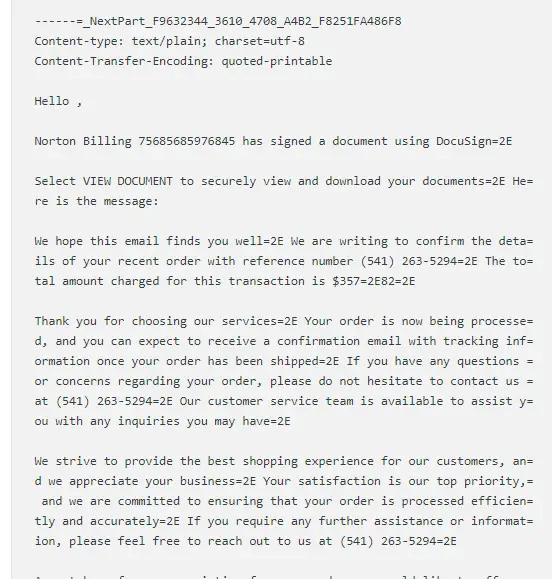
Check out The Docusign Email Scam, I talked about earlier.