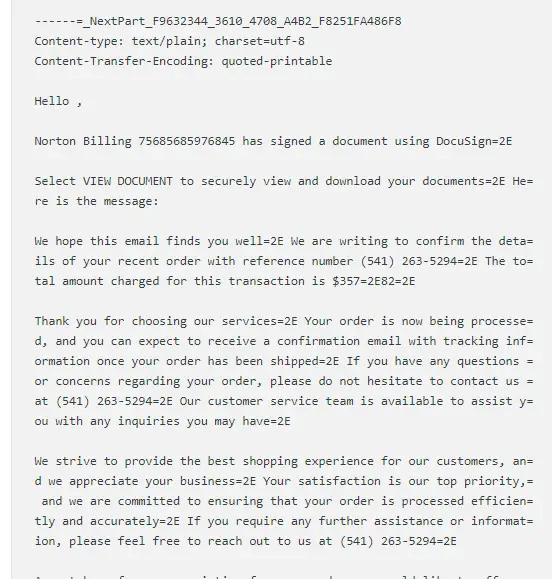
Your phone rings, and the person on the other end claims to be calling from Revolut’s security team. They tell you that someone has tried to access your account, a suspicious payment is pending, or your money could be at risk if you do not act immediately. The caller may already know your name and some details about your account, which can make the conversation feel genuine. They sound professional, explain what supposedly went wrong, and offer to guide you through the steps needed to protect your money. Before long, they may be asking you to share a security code or transfer your balance to an account they describe as safe.
This is how a Revolut phone scam can unfold. Fraudsters impersonate the digital banking service to gain the trust of customers and persuade them to hand over access to their accounts or authorize transactions. Some calls are convincing enough to catch people who are normally careful with their money, particularly when the caller uses banking terminology and creates the impression that a financial emergency is already underway. Revolut has published guidance explaining how customers can recognize genuine calls and avoid impersonation scams, and understanding those protections is important if you use the app to manage your finances.
What Is the Revolut Scam Call?
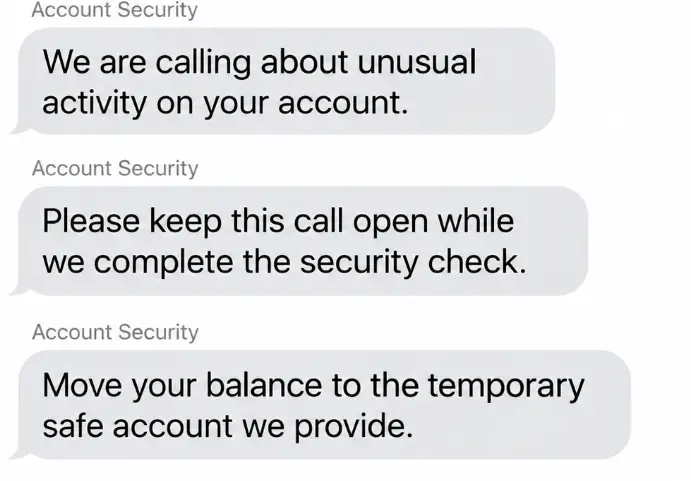
A Revolut scam call is a fraudulent phone call in which someone pretends to represent Revolut, its fraud department, or another authority involved in protecting your account. The caller may claim that an unfamiliar device has logged in, a suspicious card transaction has been detected, or criminals are attempting to steal your funds. Their explanation is designed to make you believe that your money is in immediate danger and that following their instructions is the only way to prevent a loss.
These calls can take different forms. In some cases, the caller asks you to confirm your identity by reading out a one-time passcode or approving a notification in the Revolut app. In others, they insist that you transfer your balance to a different account while an investigation takes place. A more elaborate version involves someone posing as a police officer or government official who claims that your account is connected to criminal activity and that you must pay a fine or move your money to avoid further trouble.
The caller ID may display a familiar name or a telephone number that appears to belong to a legitimate organization. However, phone numbers can be spoofed, so the number displayed on your screen is not reliable proof of who is calling. Fraudsters may also contact victims through video conferencing platforms, including Google Meet, to create the impression of an official conversation.
How to Tell If a Revolut Call Is Genuine
One of the most useful protections is Revolut’s in-app calling system. According to Revolut’s published security guidance, genuine calls from its support team are made through the app rather than as ordinary unsolicited telephone calls. Support conversations may be arranged through in-app chat, allowing you to establish contact through the official service instead of relying on an unfamiliar caller’s claims.
Revolut also provides an in-app security banner designed to help customers check whether a call is genuine. When you open the Revolut app during a call, the banner can indicate whether the caller is a verified Revolut representative. A neutral banner indicates a genuine call, while a red banner indicates that the caller is not verified as a genuine representative. If the banner identifies the call as fraudulent, end the conversation rather than following the caller’s instructions.
It is worth checking this information directly in the official app instead of clicking a link sent by the caller or relying on a screenshot they provide. If you are unsure whether a call is legitimate, end it and contact Revolut through its in-app support channel. A genuine support representative should not need you to bypass the app’s security protections to prove their identity.
You should also be wary of anyone who asks for your Revolut PIN, account password, one-time verification code, or approval of a transaction that you did not initiate. Revolut will not ask you to move your money to a so-called safe account to protect it from fraud. A caller who insists that you must reveal a code or make an urgent transfer is giving you a strong reason to stop the conversation.
Common Revolut Phone Scams to Watch Out For
1. The Safe Account Scam
The safe account scam is particularly dangerous because the caller presents the transfer as a way to prevent theft. They may claim that criminals have gained access to your Revolut account and that your funds must be moved to a temporary account while the security team investigates. Sometimes they say the new account belongs to Revolut, a partner bank, or a financial authority.
The real purpose is to get you to send money to an account controlled by the fraudsters. Once you authorize the transfer, recovering the funds can be difficult, especially if the money is quickly moved elsewhere. No matter how convincing the explanation sounds, do not transfer money to another account because an unexpected caller tells you it is necessary to protect your savings.
2. Revolut Verification Code and OTP Scams
Another common approach involves a caller claiming that they need to verify your identity or cancel a suspicious transaction. They may ask you to read out a one-time password (OTP), confirm a code sent to your phone, or approve a notification in the Revolut app. Because these codes are often associated with legitimate banking activity, a customer may assume the request is part of a normal security check.
In reality, the scammer may be attempting to log in, register a device, authorize a payment, or complete another action using your account. Giving them the code or approving an unexpected request could help them bypass security measures. Never share verification codes with a caller, and do not approve a login or payment notification unless you initiated the action and understand exactly what you are authorizing.
3. Fake Police or Government Official Calls
Some fraudsters make the situation sound much more serious by pretending to be police officers, investigators, or government officials. They may claim that your Revolut account has been linked to money laundering, illegal transactions, or an ongoing criminal investigation. The caller might threaten arrest, legal proceedings, or the freezing of your funds unless you cooperate immediately.
These claims are intended to frighten you into making decisions without checking the facts. A caller’s use of official-sounding titles, case numbers, or legal language does not establish that they represent a genuine authority. Do not pay a supposed fine or transfer your savings because someone makes threats over the phone. If you believe there may be a legitimate legal issue, verify it independently through the relevant authority’s official contact channels.
4. Fake Revolut Support Through Video Calls
Not every Revolut impersonation scam begins with a conventional phone call. Fraudsters may use video conferencing services such as Google Meet to create a more convincing interaction, sometimes presenting fake identification, logos, or other material that appears official. Seeing another person on screen can make the conversation feel more trustworthy, but it does not prove that the person works for Revolut.
Be especially cautious if someone you do not know contacts you through a third-party platform and claims they need to investigate your bank account. Do not share your screen, reveal login information, disclose security codes, or follow instructions to install unfamiliar software. Contact Revolut independently through its official app if you need help with an account security concern.
What Should You Do If You Receive a Revolut Scam Call?
If someone calls claiming that your Revolut account has been compromised, do not feel obliged to remain on the phone while they explain the supposed problem. End the call if you feel pressured, and open the Revolut app yourself to check for security notifications or messages. Use the official in-app support service to ask whether there is a genuine issue with your account.
Avoid calling back using a number supplied by the suspicious caller, even if they insist that doing so will connect you to the fraud department. Search for Revolut’s official website independently or use the app you already have installed. You can read its security advice at Revolut’s official website.
If the caller asked you to transfer money, share a verification code, or approve a transaction, report the incident to Revolut through the app. If you have already sent money or disclosed sensitive information, contact Revolut immediately and explain precisely what happened. Ask the support team to secure your account, review recent transactions, and advise you on whether a payment can be stopped or recovered. Depending on the circumstances, you may also need to contact the bank or payment provider involved.
If you approved a transaction you did not intend to make, report it as soon as possible rather than waiting to see whether the money returns. Keep relevant call records, messages, screenshots, and transaction references in case they are needed during an investigation. If you reused a compromised password elsewhere, change it through the legitimate service and update any other accounts that use the same credentials.
Are Revolut Scam Calls Real?
Yes, Revolut impersonation calls are a genuine type of fraud, and the tactics used by scammers can be persuasive. Criminals exploit the fear of losing money by pretending to investigate suspicious transactions, offering to move funds to a safe account, or claiming that a customer’s account is involved in a crime. Their goal is to get victims to surrender account access, reveal security codes, or authorize transfers themselves.
The most important protection is to remember that Revolut will not ask you to share your PIN, password, or one-time passcodes, or transfer your money to a safe account. Do not trust a caller simply because they know your name, sound professional, or appear to be calling from a familiar number. Use the in-app security banner to check a purported Revolut call, and contact support through the official app if anything seems suspicious.
If you receive an unexpected call about suspicious Revolut transactions, take a moment to verify the claim before doing anything with your money. A real account security issue can be investigated through official support channels; there is no need to take financial instructions from someone whose identity you have not confirmed.
Check out The Docusign Email Scam, I talked about earlier.