
If you’re searching for BrainXCell reviews, you’ve probably seen the dramatic headline already:
“Stanford Medical Alert: The Everyday Device in Your Hand Erases Memories Faster Than Father Time.”
That headline is designed to scare you before you even know what’s being sold.
I want to be very clear upfront:
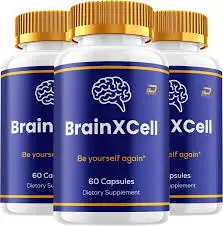
This post is not calling BrainXCell itself a scam product. What I’m breaking down is the scam-style marketing funnel tied to it, the fake NBC News page, the deepfake videos, and the “Blue Extract” memory pitch that feels more like a thriller trailer than a health discussion.
The Fake NBC News Page and the Deepfake Doctors
The ad I reviewed looked like a legitimate report from NBC News. It used newsroom-style graphics and a serious broadcast tone. The presenter featured was Tom Llamas, or at least a version of him that appeared AI-generated.
The lip movements felt slightly unnatural. The cadence was too polished. It had that synthetic smoothness that deepfake audio often has.
Then it escalated.
The video pivoted to what looked like Dr. Peter Attia discussing memory decline and a compound called “Blue Extract.” Again, no verified endorsement exists linking him to BrainXCell.
The Fake NBC News Page and the Deepfake Doctors
The ad I reviewed looked like a legitimate report from NBC News. It used newsroom-style graphics and a serious broadcast tone. The presenter featured was Tom Llamas, or at least a version of him that appeared AI-generated.
The lip movements felt slightly unnatural. The cadence was too polished. It had that synthetic smoothness that deepfake audio often has.
Then it escalated.
The video pivoted to what looked like Dr. Peter Attia discussing memory decline and a compound called “Blue Extract.” Again, no verified endorsement exists linking him to BrainXCell.
The “Blue Extract” and Blueberry Memory Pitch
The core hook of the BrainXCell funnel revolves around:
- A hidden compound in blueberries
- Anthocyanins as a “natural brain build”
- Amino acids like leucine, isoleucine, and valine
- A synergy story about protecting memory
There’s nothing wrong with discussing antioxidants. Blueberries do contain beneficial compounds.
But here’s where the marketing crosses the line:
It’s always:
“Watch until the end.”
“Just two simple steps.”
“Doctors don’t want you to know.”
And somehow, that recipe magically becomes a checkout page.
The Fear Contrast With Prescription Drugs
Another tactic I noticed was the comparison to memory drugs like:
- Aricept
- Namenda
- Exelon
The script paints prescription medications as dangerous or ineffective, then positions BrainXCell as the safer “natural” solution.
That kind of fear-and-contrast strategy is common in supplement funnels. It simplifies complex medical conditions into a hero-villain story to push emotional buying decisions.
The “Stanford Medical Alert” Angle
The phrase “Stanford Medical Alert” is used repeatedly, even though there’s no verified alert from Stanford University connected to BrainXCell.
This tactic works because it triggers institutional trust. Most people won’t immediately fact-check it. They’ll assume legitimacy based on the name alone.
But institutional branding without evidence is a massive red flag.
The Funnel Mechanics: Urgency and Cart Panda Checkout
Once the story builds enough anxiety about memory loss, the funnel shifts into purchase mode.
This is where you’ll often see:
- Countdown timers (“Order in the next 10 minutes”)
- Fake live visitor counters
- Limited stock warnings
- Cart Panda or My Cart Panda-style checkout pages
You may also see “FDA approved” language, which is misleading because dietary supplements are not FDA-approved the way prescription drugs are. These details matter because they show the focus isn’t education. It’s conversion.
The Missing BrainXCell Reviews Problem
Here’s what stood out most when I researched BrainXCell supplement reviews and complaints:
There are very few independent, detailed third-party reviews from verified buyers.
Instead, you mostly find:
- Advertorial pages
- Rewritten sales copy
- Videos analyzing the funnel
That review gap is exactly how these campaigns stay effective. People search “Is BrainXCell legit?” and struggle to find clear answers before checkout.
Celebrity and Authority Name Rotation
In some variations of this funnel, familiar names are rotated in to add emotional weight, including celebrities like Clint Eastwood and Morgan Freeman.
There is no verified connection between them and BrainXCell.
When you see a supplement relying on impersonations or loosely connected authority figures, that’s not credibility, that’s manipulation.
Important Clarification
There is no evidence that the official creators of BrainXCell are personally running these deepfake-style ads. It could be:
- Affiliate marketers
- Rogue advertisers
- Brand name misuse
Also, legitimate products with similar names, such as BrainXell, are not involved in this marketing funnel and should not be contacted for support or refunds.
My Honest Verdict on BrainXCell Marketing
After reviewing everything, here’s where I land:
The marketing tactics tied to BrainXCell are the real concern, not necessarily the supplement label itself.
Major red flags include:
- Fake NBC News-style branding
- Deepfake news anchors and doctors
- Unverified Stanford and Harvard references
- “Blue Extract” miracle storytelling
- Recipe hooks that never materialize
- Urgency timers and artificial scarcity
- Misleading FDA language
If you’re researching BrainXCell reviews for memory support, cognitive decline, or Alzheimer’s prevention, slow down before making any decision based on dramatic advertorial pages.
Memory health is serious. Alzheimer’s and dementia are complex medical conditions that deserve real medical guidance, not AI-generated newsroom theatrics.
Conclusion
Whether BrainXCell itself is legitimate or not, the funnel built around it relies heavily on fear, borrowed credibility, and emotional persuasion.
And when your memory and cognitive health are involved, that’s not something to gamble on.
Do your research. Talk to a licensed medical professional. And never let a fake “medical alert” rush you into handing over your card details.
Check out the Frownies Patch I reviewed earlier.