The promise behind NeoSocket Fuel Saver is exactly the kind of thing that can make you stop scrolling when you are paying too much at the gas pump. The advertisement makes it sound as though there is a simple little device that can be plugged into your car and somehow make the engine use less fuel, produce more power and even stay better protected. For anyone tired of watching the price at the pump climb every time they fill up, a cheap fuel-saving gadget sounds like an easy solution.
That is also why I decided to look more closely at the NeoSocket Fuel Saver reviews instead of taking the advertising at face value. The same or very similar device can apparently turn up under different names, including FuelShark and FuelSync, which makes the whole thing even more confusing for somebody trying to figure out what they are actually buying. After looking at the product and the claims being made around it, I would not spend my money on NeoSocket.
What Is NeoSocket Fuel Saver?

NeoSocket Fuel Saver is marketed as a small plug-and-play fuel-saving device. The product is designed to fit into the vehicle’s 12-volt power outlet, the same type of socket many people still call the cigarette lighter.
The sales pitch makes some pretty ambitious promises. Depending on the advertisement, customers are led to believe that the device can improve gas mileage, reduce fuel consumption, increase engine power and provide additional protection for the vehicle. All of that is supposedly accomplished simply by plugging the little device into the car.
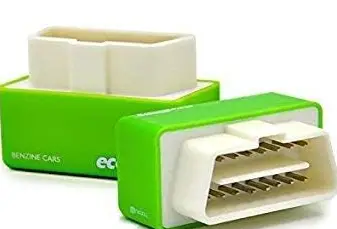
The physical product itself is not particularly complicated. It is a small blue plug-in gadget with an illuminated blue light. Seeing that light come on may make the device appear to be doing something, but an LED turning on only tells you that the device is receiving electrical power. It does not demonstrate that your engine is consuming less gasoline.
NeoSocket Fuel Saver Reviews: Does It Really Work?
This is the question I would focus on before worrying about the discount, the testimonials or whatever special offer happens to be running on the website.
I could not find convincing independent evidence that NeoSocket can produce the kind of dramatic fuel savings promised in the advertising. A claim that a tiny device can substantially improve the fuel economy of an ordinary vehicle needs much more than a few enthusiastic customer testimonials. You would expect to see properly controlled testing comparing fuel consumption with the device installed and with it removed, preferably under repeatable driving conditions.
Instead, the marketing leans heavily on the idea that this little blue gadget contains some kind of special technology capable of changing the way your vehicle uses fuel. That sounds impressive until you ask the obvious question: exactly how?
Modern cars already have sophisticated electronic systems controlling important aspects of engine operation. Simply putting another inexpensive device into the 12-volt accessory socket does not automatically give it control over the engine, fuel injection or combustion process. Without a credible technical explanation and independent testing, I would not assume the device is doing anything useful.
The Blue Light Does Not Mean Your Car Is Saving Fuel
This is probably the easiest part of the product to misunderstand.
You plug NeoSocket into the charging port, the blue light comes on, and it looks like the gadget has started working. But there is nothing particularly impressive about a light turning on when electricity reaches an electronic device.
It would be a completely different matter if the manufacturer could demonstrate that the gadget was making measurable changes to engine operation and that those changes consistently reduced fuel consumption. That is the evidence I would want to see.
Without it, the blue light is basically just a blue light. It is not a fuel-economy meter, it does not show how many gallons you have saved and it certainly does not prove that the device has increased your miles per gallon.
Is NeoSocket the Same as FuelShark or FuelSync?
If you have searched for NeoSocket reviews and then come across FuelShark, FuelSync or another similarly advertised fuel-saving gadget, you may notice how familiar some of the products look.
This is one reason I would be cautious about focusing too much on the brand name. Generic electronic gadgets are frequently sold online under multiple names, particularly through direct-response advertising. A change in the logo or product name does not necessarily mean you are looking at a completely different piece of technology.
In this case, the similarities between these fuel saver offers are worth noting because the marketing message tends to be almost identical: plug in a small device, supposedly improve fuel efficiency and save a surprising amount of money without making any major changes to the vehicle.
That is a very attractive story, but attractive is not the same as proven.
What About the NeoSocket Website?
The NeoSocket offer has been associated with ripq-shop.com, where the product is promoted as a plug-and-play solution for reducing fuel consumption and improving vehicle performance.
One thing I would be careful about is assuming that a professionally designed website automatically means the product behind it has been independently tested. Online stores can look extremely polished while selling ordinary products sourced from manufacturers or wholesalers.
The presence of unusual characters or Chinese-language elements in a website address may look strange to some shoppers, but that alone does not prove a website is fraudulent. What matters more is whether the seller provides clear company information, verifiable product specifications, realistic claims, accessible customer service and a straightforward refund process.
For NeoSocket, the fuel-saving claims themselves are the bigger issue for me.
Can a Fuel Saver Really Improve Gas Mileage?
There are absolutely legitimate ways to improve your vehicle’s fuel economy, but they are generally much less exciting than what these advertisements promise.
Keeping your tires properly inflated, maintaining the engine, replacing worn components when necessary, avoiding excessive idling, reducing unnecessary weight and driving more smoothly can all affect fuel consumption. Vehicle manufacturers also spend enormous amounts of money developing engines, transmissions and electronic control systems specifically to improve efficiency.
That is why I am skeptical when an advertisement comes along offering a tiny plug-in gadget that supposedly produces a dramatic improvement for almost no effort.
If NeoSocket genuinely delivered a huge increase in miles per gallon across ordinary vehicles, that would be an extraordinary technological achievement. It should therefore be supported by extraordinary evidence. A handful of testimonials is not enough.
The Problem With NeoSocket Fuel Saver Testimonials
Some NeoSocket fuel saver reviews may make the device sound as though it completely transformed the owner’s vehicle. You may see claims about getting dramatically more miles from a tank of gasoline or suddenly spending much less at the pump.
The trouble with fuel-economy testimonials is that there are so many variables involved. A driver can get better mileage simply by driving less aggressively, spending more time on the highway, carrying less weight or encountering lighter traffic. Weather and tire pressure can also make a noticeable difference.
So even if somebody genuinely believes they got better mileage after installing NeoSocket, that does not prove the device caused it.
That is why controlled testing matters so much. If the manufacturer wants customers to believe that this little device can dramatically improve fuel economy, it should be able to demonstrate the result under conditions that other people can reproduce.
Could NeoSocket Be a Cheap Generic Gadget?
The product appears to fit the general pattern of inexpensive electronic fuel-saving devices that have been sold online under numerous different names.
That does not automatically mean every individual seller is committing fraud, but it does mean shoppers should not confuse fancy branding with advanced automotive technology. A generic product can be given a new name, placed inside attractive packaging and promoted with a professional video without becoming a revolutionary fuel-saving system.
The important question remains the same: what does the hardware actually do?
If the answer ultimately comes down to plugging it into a 12-volt socket and watching a blue LED illuminate, I would want a lot more evidence before believing the bigger claims.
Watch the Checkout Page Before Paying
There is another reason I would take my time before ordering NeoSocket or any similar gadget through an unfamiliar online sales funnel.
The price shown in an advertisement may not necessarily be the final amount you spend. Some direct-response websites present additional offers during checkout, and customers can sometimes misunderstand whether they are purchasing a one-time product, an optional upgrade or a recurring service.
I am not saying that every NeoSocket buyer will automatically receive unauthorized charges, because that would be too broad a claim. However, unexpected billing has been an issue reported with similar online offers, so I would check the checkout page carefully before entering card information.
Take a screenshot of the order total and the terms before paying. It is a simple step, but it gives you something to refer back to if the amount charged later does not match what you expected.
Be Careful With the Money-Back Guarantee
A “money-back guarantee” can make a product feel like a safe purchase, but the actual refund conditions are what matter.
Before ordering NeoSocket, I would look for the exact return period, whether the product has to be returned, who pays the shipping costs, where the item must be sent and whether there are any conditions attached to receiving a refund.
A guarantee that sounds generous in an advertisement can be considerably less useful if returning the product is difficult or expensive. Keep a copy of the policy that applied when you purchased because online terms can change.
Is NeoSocket Fuel Saver a Scam?
Based on the information available about the product and its marketing, I would avoid NeoSocket Fuel Saver rather than recommend it.
The biggest problem is not that it is a small electronic gadget or that it plugs into your car’s 12-volt outlet. The problem is the enormous gap between the simplicity of the device and the size of the promises being made about it.
I have not seen convincing independent evidence showing that NeoSocket can deliver the kind of dramatic improvement in fuel economy suggested by its advertising. The blue light proves that electricity is reaching the device, but it does not prove that gasoline consumption has changed.
The fact that similar-looking products appear under names such as FuelShark and FuelSync also makes me even less interested in paying a premium for what appears to be a generic plug-in gadget.
Conclusion
If you came here searching for NeoSocket Fuel Saver reviews,my conclusion is pretty straightforward: I would skip this one.
The idea is appealing because nobody wants to spend more money on gasoline than necessary. Unfortunately, that also makes fuel-saving claims an easy way to get people’s attention. A small blue device that lights up when you plug it into the car is not enough to convince me that it can substantially change fuel economy, especially when the marketing promises results that would be extraordinary for such a simple product.
If you want to improve your gas mileage, your money is better spent on things that have a clear connection to vehicle efficiency, such as proper maintenance, correctly inflated tires and sensible driving habits. Those measures may not come with a flashy blue light or a dramatic “secret technology” story, but at least you know what you are paying for.
For me, NeoSocket is not a fuel-saving breakthrough. It is an online gadget surrounded by much bigger promises than the evidence appears to justify, and that is enough reason to leave it alone.
Check out Ecosaver that I reviewed earlier.