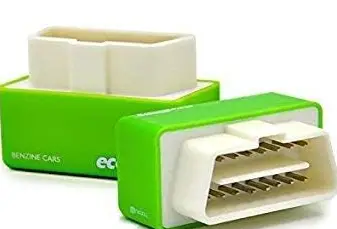
I came across the OptiFuel and EcoFuel fuel saver advertisements while looking into the growing number of inexpensive gadgets claiming to solve one of the most frustrating parts of owning a car: the cost of gasoline. The pitch is incredibly tempting. Plug a tiny device into your vehicle, wait for the little light to come on, and supposedly watch your fuel economy improve dramatically. Some versions of the advertisement go even further, suggesting that you could triple your gas mileage without changing the way you drive.
That was enough to make me look beyond the OptiFuel and EcoFuel reviews being used to sell these products. I wanted to know what the device actually does, whether there is any believable explanation for the claimed fuel savings, where these products come from, and whether the impressive discounts advertised online are genuine. After looking into the offer, I would not spend my money on either one.
What Are OptiFuel and EcoFuel?
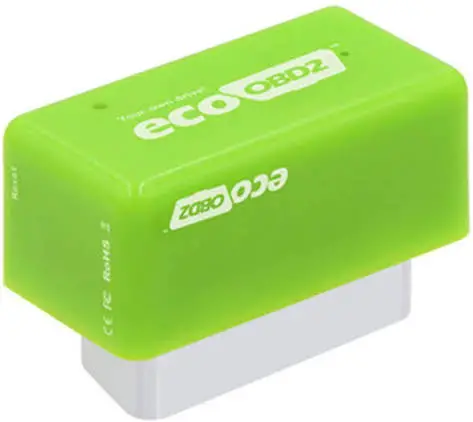
OptiFuel and EcoFuel are small electronic devices marketed as fuel-saving gadgets for cars and other vehicles. The advertisements make them sound like an easy way to improve fuel economy, reduce gasoline consumption and save money every time you fill up.
The basic idea is attractive because there is no complicated installation. You are not being asked to replace an engine component or make a major modification to your vehicle. Instead, the device is presented as a simple plug-in solution that supposedly uses advanced technology to improve the way your vehicle consumes fuel.
The problem is that the marketing gets far ahead of what a small inexpensive gadget could realistically accomplish. The more I looked at the claims, the harder it became to see a credible technical explanation for the dramatic improvement being promised.
Can OptiFuel Triple Your Gas Mileage?
This is the claim that really needs to be addressed because it is the centerpiece of the advertising.
No, I would not believe a claim that plugging OptiFuel or EcoFuel into your vehicle can triple your fuel economy.
Think about what that would actually mean. A car getting 25 miles per gallon would suddenly need to achieve around 75 miles per gallon simply because a tiny electronic gadget was plugged into it. That would be an extraordinary improvement, yet the advertising does not provide the kind of independent automotive testing you would expect to support such a claim.
Modern vehicles already have sophisticated engine-management systems designed to control fuel injection, ignition timing, emissions and other aspects of engine operation. A little illuminated device does not automatically override that engineering and turn an ordinary gasoline engine into a radically more efficient one.
There are legitimate ways to improve fuel economy, including maintaining proper tire pressure, avoiding unnecessary weight, keeping up with maintenance and changing driving habits. But those improvements are very different from promising that a $20 or $30 gadget can suddenly triple your mileage.
What Does the OptiFuel Device Actually Do?
The advertisements make the device sound technologically impressive, but the physical product appears to be extremely simple. Versions of these gadgets typically have a small plastic casing and an LED that lights up when connected.
That light can certainly make the product look like it is doing something, but an illuminated LED is not evidence that fuel is being saved.
This is an important point because the average customer is not going to remove the casing and test the electronics. They plug it in, see a blue or green light and naturally assume the device must be communicating with the vehicle.
A light can show that electricity is reaching the device. It does not demonstrate that the gadget is changing the engine’s fuel-air mixture or producing measurable fuel savings.
OptiFuel and EcoFuel Reviews: Are They Real?
I would be careful with the glowing OptiFuel reviews and EcoFuel reviews appearing in advertisements and sales pages.
Some testimonials claim enormous improvements in fuel economy and describe the device as though it completely changed the owner’s driving experience. Those stories sound impressive, but customer testimonials are not the same thing as controlled fuel-economy testing.
A convincing before-and-after story can also be misleading because fuel economy naturally changes depending on driving speed, traffic, weather, road conditions, tire pressure and how aggressively someone accelerates. If somebody gets better mileage after installing a gadget, that alone does not prove the gadget caused the improvement.
What I would want to see is independent testing using the same vehicle, controlled driving conditions and a measurable comparison between the car with and without the device. That is the kind of evidence that would make a fuel-saving claim meaningful.
Are OptiFuel and EcoFuel Made by a Major Automotive Company?
I did not find anything about these products that makes me think they are established automotive technologies from a recognized vehicle manufacturer.
The products instead appear to fit the familiar pattern of generic electronic fuel-saving gadgets sold through aggressive online advertising. Similar devices are widely available through large discount marketplaces and wholesale platforms, often with different names and branding placed on essentially similar-looking hardware.
That matters because a company can give a generic product an impressive name and surround it with a professional-looking website, but the branding does not change what the underlying hardware is capable of doing.
The 68% Off OptiFuel Discount
Another part of the advertising that caught my attention was the constant 68% off promotion.
A discount can be useful when it represents a genuine reduction from a normal selling price, but shoppers should be skeptical when the same dramatic percentage discount appears to be permanently attached to the product.
If a product is advertised at 68% off every time you see the advertisement, the “sale” may simply be part of the marketing strategy rather than a temporary promotion. In that situation, the percentage discount tells you very little about the actual value of the device.
I would judge OptiFuel based on what the product can demonstrably do, not on a countdown timer or a large red discount percentage.
Was OptiFuel Featured on TV?
Some advertisements for fuel-saving products use references to television networks, newspapers or major media outlets to create the impression that the product has already been independently recognized.
I would not assume those claims are true simply because a sales page displays familiar media logos or says the product was featured on television.
I did not find credible evidence establishing that OptiFuel or EcoFuel became a major automotive breakthrough through coverage from the mainstream media. If an advertisement claims that a product appeared on a major network, that is something that should be independently verifiable rather than accepted because it appears on a sales page.
OptiFuel Customer Service Numbers
The websites associated with the OptiFuel and EcoFuel offers have used different contact details. One site, get-optifuel.com, lists 424-250-4182, while optifuelshop.com has displayed 814-334-3315 as a customer-support number.
The existence of a telephone number does not by itself establish that a product is legitimate. What matters is whether customers can actually reach a real company, receive useful assistance and resolve billing or refund problems when something goes wrong.
I would also keep a close eye on your card statement after ordering any product through an unfamiliar direct-response website. Similar online sales funnels have generated complaints about additional charges, although I would not assume every OptiFuel customer will experience that.
What About EcoFuel?
EcoFuel follows essentially the same type of marketing formula: a small electronic device is presented as a surprisingly powerful solution to expensive gasoline.
That is why I would not treat EcoFuel as a completely separate technological breakthrough simply because it has a different name. When inexpensive fuel-saving gadgets have similar appearances, similar promises and similar advertising approaches, the branding deserves less attention than the actual engineering evidence.
If the seller cannot explain exactly how the device produces a major measurable improvement in fuel economy and provide independent testing to support that explanation, I would rather keep the money in my pocket.
Do Fuel Saver Plug-In Devices Really Work?
There are legitimate technologies that can improve vehicle efficiency, but that does not mean every plug-in gadget advertised as a “fuel saver” works.
A gasoline engine’s fuel consumption is influenced by many things, including engine design, air and fuel delivery, combustion, transmission efficiency, vehicle weight and driving conditions. Modern vehicles use electronic control systems that already make continual adjustments to engine operation.
A cheap device that simply plugs into an outlet or diagnostic connection therefore needs a very convincing technical explanation before I would believe it could produce a massive improvement.
And that is exactly what is missing from the sales pitch here. The advertisements focus heavily on the result while giving the buyer very little useful information about how that result is supposedly achieved.
Is OptiFuel a Scam?
I would describe OptiFuel as a product I would avoid rather than recommend, particularly because of the extraordinary fuel-economy claims attached to it.
Calling something a scam is a serious accusation, so I prefer to focus on what can actually be established. The central promise that a tiny inexpensive device can triple your gas mileage is not supported by the kind of independent evidence I would expect for such a dramatic claim. The glowing testimonials and permanent-looking discounts do not make up for that missing evidence.
EcoFuel raises the same concerns.
The products may physically arrive and the lights may turn on, but that does not mean they deliver the fuel savings promised in the advertisements.
Conclusion
After looking at the claims, advertising style and the type of hardware being sold, I would not buy OptiFuel or EcoFuel as a fuel-saving solution. The idea of plugging in a tiny gadget and suddenly getting dramatically better gas mileage sounds great, especially when gasoline prices are high, but the promise is much bigger than the evidence presented to support it.
If you searched for OptiFuel reviews, or do fuel saver plug-in devices really work, the most important thing to remember is that an impressive testimonial is not the same as independent testing.
The blue or green light may make the gadget look active, but a glowing light does not prove that your engine is using less gasoline. I would much rather spend money on proper vehicle maintenance, correctly inflated tires and sensible driving habits than gamble on a generic gadget promising to transform a normal car into an unbelievably efficient one.
For me, that makes the OptiFuel and EcoFuel fuel saver claims not worth the risk or the money.
Check out Ecosaver that i reviewed earlier.