
If you’ve been digging around for OptiVision reviews, you’ve probably noticed something strange, you keep seeing the ad, but you’re not finding many real customer experiences.
That alone’ was what made me pause.
I didn’t discover OptiVision through a pharmacy, a doctor, or even a proper supplement store. I found it through a dramatic video ad talking about a “hidden compound in wild blueberries” and a supposed vision discovery. The video featured what looked like Dr. Ming Wang explaining eye health, macular damage, night glare, and blurry vision in a very convincing tone. But the more I watched, the more it felt… off.
And that’s what this review is really about, not accusing the supplement itself, but breaking down the marketing tactics tied to OptiVision Advanced Vision Support.
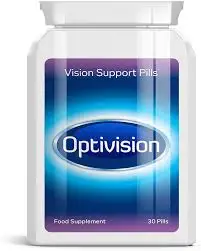
The Deepfake-Style Doctor Video and the “Blueberry Trick” Hook
The ad starts with a classic curiosity trap.
You’re told there’s:
- A hidden compound in wild blueberries
- A secret blueberry recipe for eyesight
- A “watch till the end” discovery for macular health
But here’s what actually happens:
The promised blueberry trick keeps getting delayed while the video slowly shifts into fear-based eye health messaging night glare, “film over your eyes,” blurry vision, and worsening eyesight with age. The video version of Dr. Ming Wang uses audio and lip movement that don’t fully match natural speech patterns. It gives strong AI-generated or manipulated video vibes, which is a growing tactic in supplement ad funnels lately.
That doesn’t automatically mean OptiVision as a product is fake. It does, however, raise serious questions about the ad strategy being used to sell it.
The “Wild Blueberries” Vision Discovery Narrative
One thing I noticed is how heavily the ad leans on the wild blueberry angle. It’s presented almost like a suppressed medical breakthrough rather than basic nutrition science.
Yes, blueberries contain antioxidants.
But the ad stretches that idea into dramatic claims about:
- Reversing blurry vision
- Fixing macular damage
- Eliminating night glare
- Restoring crystal-clear eyesight
Then, instead of giving a practical diet solution, the funnel pivots directly to buying OptiVision supplements with ingredients like lutein, zeaxanthin, and lycopene. That shift from “natural food discovery” to “buy this capsule” is a very deliberate marketing move.
Fear-Based Messaging About Eyesight
The ad structure follows a pattern I’ve seen repeatedly in supplement funnels:
- Introduce a hidden health danger
- Trigger fear (vision loss, glare, macular issues)
- Offer a secret natural solution
- Redirect to a paid supplement
The phrases used, “film over your eyes,” “dangerous vision decline,” and “worst foods for eyesight” are emotionally charged and designed to make viewers feel urgent concern about their eye health.
When health marketing leans heavily on fear instead of balanced medical evidence, it’s usually a sign to slow down and research more.
The Checkout Path and My Cart Panda Funnel Flow
Another detail that stood out during my review was the checkout journey. Instead of a straightforward supplement store experience, the path can route through a My Cart Panda-style cart system, with references to Biodigital Solutions appearing along the purchase trail.
That type of funnel setup is often used in affiliate-driven supplement marketing, where multiple resellers or ad networks push the same product through different landing pages.
This could explain why so many people searching OptiVision supplement reviews and complaints say they struggle to find consistent seller information.
Why Real OptiVision Reviews Are Hard to Find
Here’s the honest part:
When I searched for genuine OptiVision Advanced Vision Support reviews, I expected to see detailed customer feedback across trusted platforms.
Instead, I found:
- Promotional pages
- Rewritten advertorial-style articles
- Very limited third-party discussion
That review gap is exactly how these funnels stay effective. People are curious after watching the ad, they search for OptiVision reviews, and they mostly encounter marketing content instead of real user experiences.
The Money-Back Guarantee Claim, Read the Fine Print
Some funnel pages mention a money-back guarantee, which sounds reassuring on the surface. However, when supplements are sold through unofficial advertorial pages instead of transparent retailers, refund processes can become complicated.
I’ve personally seen many viewers report:
- Delayed responses from support
- Confusion about billing sources
- Difficulty identifying the actual seller
That’s why it’s important to verify who you’re buying from before trusting any guarantee language.
Important Clarification About the Product Itself
To be fair, I am not saying OptiVision is a scam supplement.
There is currently no clear evidence that the official product owners are the ones creating or running these deepfake-style ads. It could easily be:
- Affiliate marketers
- Third-party advertisers
- Brand name misuse
Also, unrelated products or companies with similar names are not connected to this OptiVision marketing funnel and should not be contacted for refunds or support.
Conclusion
If you’re researching OptiVision reviews for macular health, lutein, zeaxanthin, and lycopene supplements, don’t rely solely on viral ads or emotional video pitches. Eye health is too important to base on dramatic marketing narratives.
My advice?
Take your time, verify the seller, read ingredient transparency carefully, and speak with a qualified eye specialist before trusting any supplement claiming to restore vision. Because when a product is promoted through deepfake videos and miracle blueberry stories, caution isn’t paranoia, it’s common sense.
Check out the Frownies Patch I reviewed earlier.