
Buying a home projector is not just about getting the biggest picture possible. You want a sharp image, colours that look good when watching movies, enough brightness to enjoy a film without turning the entire room into a cave, and smooth performance when playing games. The new XGIMI HORIZON 30 series is designed to bring all these things together, with three models aimed at people who want a more serious home entertainment setup.
The lineup includes the HORIZON 30 Pro, HORIZON 30 Max and HORIZON 30 Ultra Max. All three use RGB triple laser technology, support advertised 4K 120Hz performance and feature a Dual Intelligent Iris system designed to improve contrast. Brightness ranges from 4,800 ISO lumens on the Pro to 6,000 ISO lumens on the Ultra Max, so there are meaningful differences between the models.
The price, however, is not small. The US launch offers start at $1,899, while the most expensive model is listed at $2,999 during the pre-order period. That puts these projectors firmly in the premium category, where buyers should expect more than an impressive specification sheet. Here is what the XGIMI HORIZON 30 projectors offer, how the three models compare, and whether their features make sense for your home theatre or gaming room.
What Is the XGIMI HORIZON 30 Projector?
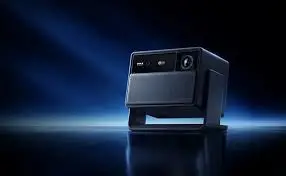
The XGIMI HORIZON 30 is a new series of home projectors designed for movies, streaming, sports and gaming. Rather than offering one projector at different prices, XGIMI has introduced three versions with different brightness and contrast ratings, allowing buyers to choose based on their room and budget.
All three models use an RGB triple laser light source, which produces red, green and blue light using separate lasers. This approach is designed to deliver rich colours and a wide colour range, making it attractive for people who enjoy colourful films, animated content and modern video games.
The projectors also combine 4K resolution with a claimed 120Hz refresh rate. That is particularly interesting for gaming, where smooth motion can make fast-moving action feel more responsive. The Dual Intelligent Iris system is another major selling point, as it is designed to control the amount of light passing through the optical system and improve the difference between bright and dark parts of an image.
One thing worth making clear is that the HORIZON 30 series is a home entertainment projector range, not a portable projector designed mainly for camping or occasional outdoor use. These models are intended for people who want a large-screen experience at home and are prepared to spend more to get it.
XGIMI HORIZON 30 Pro vs Max vs Ultra Max: Main Differences
The three models share the same main features, but their brightness, contrast ratings and prices are different. Here is how they compare using XGIMI’s advertised US specifications and launch prices.
| Feature | HORIZON 30 Pro | HORIZON 30 Max | HORIZON 30 Ultra Max |
|---|---|---|---|
| Light source | RGB triple laser | RGB triple laser | RGB triple laser |
| Resolution | 4K | 4K | 4K |
| Advertised refresh rate | 120Hz | 120Hz | 120Hz |
| Brightness | 4,800 ISO lumens | 5,300 ISO lumens | 6,000 ISO lumens |
| Native contrast | 8,000:1 | 9,000:1 | 10,000:1 |
| Full US price | $2,499 | $2,999 | $3,499 |
| US pre-order price | $1,899 | $2,499 | $2,999 |
Specifications and prices are based on XGIMI’s published product information. Actual prices and availability may vary by country.
Looking at the figures, the HORIZON 30 Pro is the cheapest way into the series, but it still offers a high advertised brightness rating and the main features found in the more expensive models. The Max sits between the two, while the Ultra Max offers the highest brightness and contrast ratings.
The difference matters because not everyone needs the most expensive projector in the range. If you usually watch films in a dark room, the Pro may be enough for your needs. If your room has more ambient light or you want additional brightness headroom for a large screen, the Max or Ultra Max may be more appealing. The right choice depends on your room, viewing habits and budget rather than the model name alone.
RGB Triple Laser Technology: What Does It Mean for Picture Quality?
The RGB triple laser light source is one of the main reasons the XGIMI HORIZON 30 series stands out. Traditional projector designs use different types of lamps or laser systems, while RGB triple laser projectors use separate red, green and blue lasers to create the picture.
For viewers, the attraction is colour. A wide colour range can make bright scenes look more vivid, help animated films appear richer and give games a more colourful appearance. XGIMI advertises coverage of 110% of the BT.2020 colour space across the series, although the final image you see will also depend on the content, settings and room conditions.
Of course, colourful images are only part of what makes a projector enjoyable. Black levels, shadow detail and the handling of bright highlights also affect the viewing experience. A projector can produce impressive colours but still struggle to show subtle details in a dark scene if its contrast performance is limited.
This is where the Dual Intelligent Iris system comes in. It is intended to improve contrast by adjusting light output through the optical system, helping the projector handle scenes that contain both bright and dark areas. That could be useful when watching films with night scenes, dimly lit rooms or dramatic changes in lighting.
The advertised contrast figures are promising, but they should not be confused with independent picture-quality test results. Until the projectors have been tested under controlled conditions, it is difficult to say exactly how much improvement viewers will notice over competing models.
Is the XGIMI HORIZON 30 Good for Gaming?
Gaming is one of the more interesting reasons to consider the HORIZON 30 series. XGIMI advertises 4K 120Hz performance alongside features such as variable refresh rate (VRR), Auto Low Latency Mode (ALLM) and AMD FreeSync support. These are useful additions for players who want a big-screen gaming setup without the sluggish response often associated with older projectors.
Input lag is particularly important when playing games that require quick reactions. XGIMI lists a latency figure of around 1.9 milliseconds at 4K 120Hz for the HORIZON 30 Max, with other figures depending on the resolution and refresh rate used. These are manufacturer specifications rather than independently measured results, so real-world testing will be important.
There is also a practical point to remember: the gaming experience depends on the console or PC, the game itself and the settings used. You will need compatible equipment and content to take full advantage of high-refresh-rate gaming. Simply connecting a console does not mean every game will run at 4K and 120 frames per second.
Even so, the combination of a large projected image and gaming-focused features makes the HORIZON 30 series worth watching for people building a dedicated gaming room. The question is whether its performance justifies the price compared with a gaming television or another projector. That will depend on how much you value screen size and whether the final image holds up during actual gameplay.
How Bright Is the XGIMI HORIZON 30?
Brightness is one of the biggest differences between the three projectors. The HORIZON 30 Pro is rated at 4,800 ISO lumens, the Max at 5,300 ISO lumens, and the Ultra Max at 6,000 ISO lumens. These are substantial advertised brightness figures for a home projector and suggest that the range is designed to produce a bright picture on a large screen.
A brighter projector can be helpful in a living room where it is not always practical to turn off every light. It can also provide more flexibility when projecting onto a larger screen. However, brightness alone does not guarantee a good viewing experience. Strong ambient light can still wash out an image, and a darker room will generally make it easier to appreciate contrast and dark scenes.
If your main plan is to watch films at night with the curtains closed, the Pro may already provide more brightness than you need. Paying extra for the Ultra Max could make more sense if you want a brighter image or simply prefer having the highest-rated model, but it is not automatically the best choice for every room.
Screen size and placement matter, too. A projector used to create a very large picture spreads its light over a larger area, which affects the brightness you see on the screen. It is worth considering your intended screen size before choosing a model based on lumens alone.
Setup and Smart Features
A projector can have excellent picture specifications and still be frustrating if it is difficult to position. Fortunately, the HORIZON 30 series is advertised with optical zoom, lens shift and lens memory, giving buyers more flexibility when setting up their entertainment space.
Optical zoom lets you adjust the image size without relying entirely on digital resizing, while lens shift helps move the projected picture into position without having to move the whole projector. Lens memory can save settings for different screen formats, which is useful for people who switch between different viewing setups.
The series also includes Google TV, bringing streaming apps and entertainment options together in one place. This means the projector is intended to work as more than a display for an external streaming stick or laptop. The published specifications also list built-in Harman Kardon speakers, Wi-Fi and Bluetooth connectivity, along with HDMI connections for gaming consoles and other equipment.
These features should make everyday use more convenient, particularly for people who want to switch between streaming services, films and gaming without constantly changing equipment. However, the exact availability of streaming apps and services can depend on region, so buyers outside the US should confirm that the software and connectivity options meet their needs.
XGIMI HORIZON 30 Price: Is It Worth the Money?
Price is where the HORIZON 30 series becomes a more serious decision. During the US pre-order period from October 12 to October 31, 2026, XGIMI lists the Pro at $1,899, the Max at $2,499 and the Ultra Max at $2,999. The listed full prices are $2,499, $2,999 and $3,499, respectively. XGIMI says regular sales begin on November 1.
Those launch discounts make the Pro particularly interesting because it includes the series’ main advertised features at the lowest price. The Max costs $600 more than the Pro during pre-orders, while the Ultra Max costs another $500 above the Max. Buyers need to decide whether the extra brightness and contrast are worth that additional spending.
I would not choose the Ultra Max simply because it is the top model. If you mainly watch films in a controlled, dark room, the Pro may be the more sensible purchase. The Max could be a reasonable middle option for someone who wants a little more brightness, while the Ultra Max is aimed at buyers who want the highest specifications in the range.
The prices are for the US market, so they should not be assumed to apply everywhere. Import costs, local taxes, shipping and warranty arrangements may affect the final price in other countries. At this price level, after-sales support is also worth considering because a projector is a significant purchase that most people expect to use for years.
Is the XGIMI HORIZON 30 Worth Buying?
Based on its published specifications, the XGIMI HORIZON 30 series looks like a serious option for home theatre enthusiasts and gamers who want a large projected picture with modern features. RGB triple laser technology, advertised 4K 120Hz performance, the Dual Intelligent Iris system and flexible setup options give the range plenty to offer on paper.
However, there is an important limit to this review: I have not physically tested these projectors, so I cannot honestly claim that I have watched films on them, measured their brightness or tried their gaming performance. The specifications are promising, but they do not replace hands-on testing of image quality, fan noise, software performance and long-term reliability.
The price also means that buyers should be clear about what they want from a projector. If you are mainly looking for a huge picture for occasional movie nights, a less expensive model may be sufficient. If you want a more advanced home theatre setup and care about brightness, colour and gaming features, the HORIZON 30 series is more relevant.
Which XGIMI HORIZON 30 Model Should You Choose?
The XGIMI HORIZON 30 Pro, Max and Ultra Max offer a shared set of high-end features, with the main differences coming down to brightness, contrast and price. The Pro looks like the most affordable entry point, the Max provides a middle option, and the Ultra Max has the highest advertised specifications for buyers who want the most capable model in the lineup.
My recommendation is to choose according to your room and how you plan to use the projector, rather than automatically going for the most expensive version. For a dark home theatre, the Pro may be all you need. If you want more brightness for a larger screen or a room with some ambient light, the Max or Ultra Max may be worth the extra cost.
Overall, the XGIMI HORIZON 30 series looks promising, but its real value will depend on independent picture-quality and gaming tests. The advertised specifications are impressive, and the pre-order prices make the range more attractive, but I would not call any of the three models a proven winner until real-world testing confirms how well they perform.
For anyone searching for XGIMI HORIZON 30 reviews, the main takeaway is simple: this is a premium projector lineup with features that could appeal to both movie lovers and gamers, but the right model depends on your budget, room and expectations. The Pro is the sensible starting point, while the more expensive versions make sense mainly for buyers who will benefit from their extra brightness and contrast.
Check out Necklow Sleep Pillow that I reviewed, earlier.