
SynoCell is marketed as a breakthrough supplement for joint health, nerve pain, and mobility support. With flashy ads across social media and a professional-looking website, the product appears convincing at first glance. But once you dig into SynoCell reviews, complaints, and its marketing tactics, the red flags become impossible to ignore.
SynoCell Ingredients: What They Claim
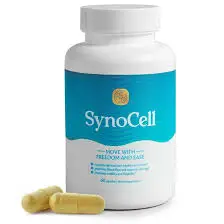
The product’s advertising lists a blend of ingredients often associated with joint health:
- MSM
- Boswellia
- Quercetin
- Bromelain
- Glucosamine
- Hyaluronic Acid
On paper, these look legitimate. However, many consumers report that the ingredients on the bottles they receive do not match the claims on the website. This is a common trick in supplement scams — promise one thing in marketing, deliver something far cheaper in reality.
The Dr. Kyle Stephenson Endorsement
One of SynoCell’s most suspicious tactics is its alleged endorsement from Dr. Kyle Stephenson, a supposed “leading orthopedic surgeon.”
But here’s the problem:
- There’s no verified evidence that Dr. Stephenson endorses SynoCell.
- Search traffic shows people looking up “Dr. Kyle Stephenson Indianapolis nerve pain reviews,” suggesting confusion deliberately created by the marketers.
- The product and its claims are not connected to any reputable medical institution.
This is not about Dr. Stephenson himself, it’s about how his name is being used to sell a questionable supplement.mes are not connected to any real research or medical recommendations. They are marketing inventions.
Connections to Other Scams
Digging deeper reveals a disturbing pattern. The people behind SynoCell have ties to other shady online schemes:
- A fraudulent AI app called InfinitAI.
- A “slimming chocolate” scam, promoted by a spokesperson in a lab coat named Dr. Melissa Newman, an associate professor at the University of Cincinnati.
- Products like “Emma” or “Emma Relief”, which were marketed in nearly identical ways.
The common thread is Konscious Keto, LLC, the company linked to SynoCell’s Facebook pages and those other questionable supplements.
SynoCell Reviews and Complaints From Consumers
Looking at the real feedback, several troubling complaints emerge:
- Different ingredients than advertised.
- Bottles arriving with cheap, generic labels.
- Refund requests denied despite money-back guarantees.
- Aggressive upsells during checkout and unexpected subscription charges.
- No noticeable improvement in joint pain or nerve issues.
These are consistent with the patterns of other scams run by the same group.
The Bigger Marketing Playbook
SynoCell uses nearly every trick in the supplement scam playbook:
- Fake doctor endorsements.
- Overhyped ingredient claims without clinical proof.
- Affiliate websites posting glowing “reviews” to push sales.
- Sponsored search ads leading to official-looking websites that disappear after a few months.
This cycle allows the scammers to abandon a brand once it’s exposed and relaunch under a new name difficult for consumers to hold the company accountable.
Is SynoCell a Scam?
Based on the evidence, SynoCell shows all the signs of being a supplement scam. The questionable ingredients, fake endorsements, history of connected schemes, and recurring consumer complaints all point in the same direction.
Conclusion
SynoCell is not a legitimate joint or nerve pain solution. It’s part of a larger pattern of deceptive marketing tied to Konscious Keto, LLC. Consumers should avoid this product and consult trusted medical professionals for safe, effective alternatives.
Check out the Frownies Patch I reviewed earlier.