
If you’ve searched “GlycoLean Drops Dr. Phil” or “GlycoLean drops reviews”, you’re not alone. A lot of people are trying to figure out whether this supplement is legitimate, or if something shady is happening with the marketing.
Let’s clear something up right away:
This post is not calling GlycoLean drops itself a scam product. There’s no verified evidence that the actual company behind GlycoLean is running scam campaigns.
What is happening, though, is much more concerning and it explains why so many people are confused.
The Dr. Phil Deepfake Ads (And Why They’re a Huge Red Flag)
The biggest issue surrounding GlycoLean drops right now isn’t the supplement itself. It’s the marketing funnel.
Scammers are reportedly running fake ads using deepfake-style videos of Dr. Phil McGraw, commonly known as Dr. Phil. These ads use AI-generated audio and manipulated lip movements to make it look like he’s endorsing GlycoLean drops for diabetes or weight loss.
He didn’t.
Dr. Phil has never endorsed GlycoLean drops.
And it doesn’t stop there.
These types of ads often borrow the names and likenesses of other public figures to make everything look credible, including:
- Dr. Oz
- Dr. Peter Attia
- Dr. Jennifer Ashton
- Dr. Eric Berg
- Dr. Steven Gundry
- Casey Means
- Oprah
- Rebel Wilson
- Adele
- The Kardashians
None of these people have anything to do with GlycoLean. This is classic affiliate-style deception. The goal is simple: build instant trust using familiar faces, then send viewers into a supplement sales funnel.
What the GlycoLean Drops Marketing Looks Like
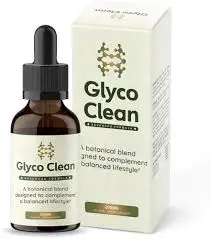
The product shown in these ads typically appears as a brown dropper bottle with red labeling and the claim:
“Supports healthy glucose utilization.”
Notice how vague that is.
It doesn’t say it treats diabetes.
It doesn’t claim to cure anything directly.
It leans on soft, non-specific wording, the kind often used in supplement funnels to avoid regulatory trouble. At the same time, critical information is often missing:
- Who owns the company?
- Where is it based?
- Where is the product manufactured?
That lack of transparency is part of why people start searching for GlycoLean drops reviews and complaints after seeing the ads.
The Real Risk: The Funnel, Not Just the Bottle
Here’s where people get burned.
These ads are often distributed across major platforms and ad networks:
- TikTok
- Meta
- Taboola
- Outbrain
The video grabs attention, the sales page builds urgency, and then buyers are pushed toward a “limited time” offer. What many customers report afterward includes:
- Surprise subscription charges
- Recurring billing they didn’t fully understand
- Unclear cancellation paths
- Refund disputes despite “money-back guarantee” promises
This pattern isn’t unique to GlycoLean. It’s common with aggressive supplement funnels.
The money-back guarantee sounds reassuring, until someone actually tries to use it.
Is GlycoLean Drops a Scam?
Based on what’s visible, there’s no direct evidence that the legitimate brand behind GlycoLean is creating the deepfake ads.
This appears to be affiliate marketers or third-party actors using deceptive tactics to drive traffic and earn commissions.
That distinction matters.
It’s possible for:
- A real supplement to exist
- While scammers exploit its name using fake endorsements
That’s why the situation feels messy rather than clear-cut. no one to reach.
Why People Only Find Reviews After They’ve Paid
One frustrating pattern is that many buyers only search for GlycoLean reviews after their credit card has already been charged.
The ads are designed to create urgency.
The landing pages are built for conversion.
And independent information is often buried under promotional content.
By the time someone searches “GlycoLean drops refund problems,” they’re already dealing with billing stress.
What You Should Do Before Buying
If you’re considering GlycoLean drops, or any supplement promoted through celebrity-style viral ads, slow down.
Here’s what I would recommend:
- Assume any celebrity endorsement in a social media ad could be fake unless verified directly.
- Research the company behind the product, not just the product name.
- Read the full checkout terms carefully for subscription language.
- Use a payment method with buyer protection.
- Speak with a medical professional if you’re dealing with blood sugar or weight issues.
Supplements that claim to support glucose or metabolism should never replace proper medical care.
Conclusion
The GlycoLean Drops Dr. Phil scam situation highlights a bigger issue online right now: deepfake technology is being used to sell health products.
Dr. Phil never endorsed GlycoLean.
Neither did any of the other doctors or celebrities often mentioned in these ads.
The product itself may not be inherently fraudulent, but the marketing tactics being used around it are deeply misleading.
If you’re searching for GlycoLean drops reviews because something about the ad felt off, that instinct is worth listening to.
In today’s supplement market, it’s not just about what’s in the bottle.
It’s about who’s behind the message and whether that message is even real.
Check out the Frownies Patch I reviewed earlier.