
If you’ve seen those dramatic videos claiming a “hidden Alzheimer’s cure” backed by Morgan Freeman or Bill Gates, you’re not alone. They’re everywhere right now. I actually sat through one of those long ads out of curiosity, and once you get past the storytelling, it becomes pretty clear what’s really going on.
What Neuro Mind Pro Claims to Do
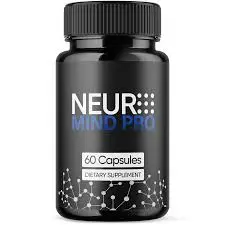
The Neuro Mind Pro is being marketed as a powerful brain supplement that can reverse Alzheimer’s, eliminate brain fog, and restore memory. Not improve, reverse. That alone should make you pause. Any product making that kind of promise is stepping way beyond what current science actually supports.
The Celebrity Hook (That Isn’t Real)
This is where the marketing gets clever. The videos often feature what looks like clips of Morgan Freeman, Bill Gates, or even Clint Eastwood talking about a breakthrough discovery or a simple “honey recipe” for brain health.
But here’s the truth: none of them have anything to do with this product. The clips are either heavily edited, taken out of context, or straight-up AI-generated deepfakes. It looks convincing if you’re not paying close attention, which is exactly the point.
The “Secret Recipe” That Leads Nowhere
You’ll notice a pattern if you watch these videos. They tease a simple, natural fix, a spoonful before bed, a rare ingredient, some “ancient method.” It keeps you hooked, waiting for the reveal.
But the reveal never really comes. Instead, everything leads back to buying the Neuro Mind Pro. That’s the real goal from the beginning.
The Science vs The Story
There’s no known supplement, recipe, or “protocol” that can cure Alzheimer’s or dementia. Supporting brain health is one thing, but reversing serious neurological conditions is a completely different level, and we’re just not there yet scientifically.
So when a product leans heavily on emotional storytelling and light on actual data, that’s usually a sign something’s off.
Fake Reviews and Sales Tricks
After the video, you’re usually redirected to a sales page that looks polished but feels a bit generic. You’ll see glowing reviews that don’t really say much, countdown timers pushing urgency, and “limited stock” warnings.
There’s also a common issue with subscription billing. A lot of people think they’re making a one-time purchase, only to realize later they’ve been signed up for recurring charges. That’s a headache you don’t want.
Why This Type of Scam Keeps Working
It comes down to emotion. Memory loss is scary. The idea of losing yourself or someone you love is something people desperately want to avoid. So when something promises a simple solution, especially with familiar faces attached, it’s easy to get pulled in.
That’s exactly what this kind of marketing is designed to do.
Conclusion
The Neuro Mind Pro isn’t a breakthrough, it’s another supplement wrapped in a very convincing story. Fake celebrity endorsements, AI-generated videos, and exaggerated claims are all part of the playbook. If you’re genuinely concerned about memory or cognitive health, your best bet is still proper medical advice, not something sold at the end of a long sales video. Sometimes the smartest move is just stepping back and asking yourself: if this was real, would it really be marketed like this?
Check out the Frownies Patch I reviewed earlier.