
If you’ve been searching for NeuroPrime Drops reviews, chances are you’ve already seen one of those long, dramatic videos that starts with a “hidden truth” about memory loss. You know the type, serious voice, emotional storytelling, and some “doctor” revealing something the rest of the world supposedly missed. I sat through a few of those so you don’t have to, and honestly, once you see the pattern, it’s hard to unsee it.
What NeuroPrime Drops Claims to Do
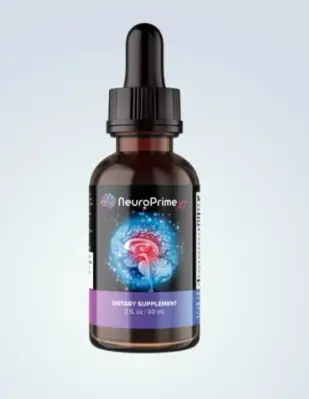
NeuroPrime Drops is marketed as a brain support supplement that can help with memory, focus, and even serious issues like Alzheimer’s and dementia. The messaging leans heavily into fear and urgency, like you’re one step away from losing your mental sharpness unless you act now. That’s a strong hook, and it works, but it’s also where things start to feel off.
The Marketing Pattern
If you’ve seen ads for other “brain health” supplements, this will feel very familiar. It usually starts with something like:
- a “$12 golden honey recipe”
- a “Harvard doctor reveal”
- a “simple bedtime spoonful”
- a “one weird trick” for brain health
- or a “rare plant big pharma doesn’t want you to know about”
The story changes slightly, but the structure stays the same. You’re promised a secret, pulled in with curiosity, and kept watching long enough to build trust. Then right when you expect the actual solution… it pivots to selling NeuroPrime Drops.
The “Secret Recipe” That Never Shows Up
This part is honestly frustrating. The ads make it sound like you’re about to learn something simple and powerful you can use immediately. But the “recipe” is either vague, incomplete, or never really explained in a useful way. It’s just a setup. The real goal is to make the product feel like the only solution.
The Science vs The Story
Let’s be real here. There is no known supplement or “kitchen trick” that can reverse Alzheimer’s or dementia. Supporting brain health? Sure, that’s a real thing. But the way NeuroPrime Drops is marketed goes way beyond that into territory that just isn’t backed by credible evidence.
When a product leans more on storytelling than actual transparent data, that’s usually a sign you should slow down.
Why So Many People Fall for It
It’s not because people aren’t smart, it’s because the marketing is designed to hit emotional pressure points. Memory loss is scary. The idea of losing independence or watching someone you love go through that is even worse. So when something comes along promising a simple fix, it’s easy to want to believe it.
That’s exactly what this kind of campaign is built on.
Conclusion
NeuroPrime Drops doesn’t stand out because of what’s in it, it stands out because of how it’s sold. The recycled marketing scripts, the “secret” hooks, the exaggerated claims… it all points to a strategy that’s more about conversions than real results. If you’re looking for genuine ways to support brain health, this probably isn’t where you want to start. And if a product makes you feel rushed, emotional, or like you’re about to miss out on some hidden cure, that’s usually your cue to step back, not lean in.
Check out the Frownies Patch I reviewed earlier.