
If you’ve looked up Nerve Flow, chances are you landed on one of those long videos that starts off sounding like a news report. It pulls you in fast. There’s a serious tone, talk about nerve pain medications being dangerous, and then suddenly “Dr. Sanjay Gupta” appears to explain a breakthrough. That’s where things start to go sideways. The version of Dr. Gupta in those videos isn’t real. It’s a deepfake. No doctors, hospitals, or medical institutions have endorsed Nerve Flow, and that includes him.
What Nerve Flow Claims to Do
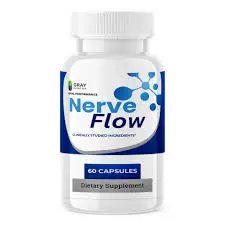
The pitch is built around nerve pain relief. The video suggests common medications like Gabapentin or Pregabalin are dangerous, then pivots into a “natural solution” that supposedly targets the root cause. It leans heavily on this idea of a simple honey-based formula that can fix everything. Sounds clean and harmless, right? That’s intentional. It’s meant to lower your guard.
The “Honey Recipe” That Never Shows Up
This is the part that stood out the most. The video keeps teasing a recipe. “Keep watching, we’ll show you exactly how to make it.” It drags on and on, building curiosity. Then… nothing. No recipe. Instead, it shifts at the end and reveals a bottle of pills called Nerve Flow. That’s not an accident. It’s a tactic. The whole “recipe” angle is just there to keep you watching long enough to feel invested so you’re more likely to buy.
The Marketing Feels Off for a Reason
A few things don’t add up. There’s no clear founder, no real company story, No transparency about where the product is actually made beyond what looks like a fulfillment center address. That’s something you see a lot with sketchy online products. The site lists an email and a phone number, but that doesn’t automatically mean you’ll get real support if something goes wrong. The “money-back guarantee” is there too, but again, that’s common in these funnels and not always as easy to use as it sounds.
Fake Urgency and Familiar Fear Tactics
Another thing worth pointing out is how the video tries to scare you first. It talks about serious side effects from prescription drugs, even mentions extreme outcomes. Then it offers Nerve Flow as the safer alternative. That emotional swing, from fear to relief, is deliberate. It’s designed to push you toward a quick decision instead of a careful one.
Is Nerve Flow Legit or a Scam?
Here’s the honest take. I’m not saying the product itself is definitively a scam. What I am saying is the marketing around it raises a lot of red flags. Fake endorsements, misleading hooks, lack of transparency, and a sales funnel that feels engineered to pressure you. That combination is enough to make most people pause.
What I Think
Nerve pain is real, and if you’re dealing with it, you’re probably looking for something that actually helps. That’s exactly why ads like this work so well. But when the story starts with a fake doctor and ends with a product reveal that doesn’t match the buildup, it’s hard to take it seriously.
Conclusion
Nerve Flow might look like a promising solution at first, but the way it’s being marketed tells a different story. The deepfake Dr. Gupta video, the never-delivered honey recipe, and the lack of clear company information all point to a setup that’s more about selling than helping. If you’re considering it, slow down, do your own research, and don’t rely on a single video to make that call.
Check out the Frownies Patch I reviewed earlier.