
For years, fitness wearables kept getting bigger, louder, and more distracting. More notifications, more screens, more apps fighting for your attention every five minutes. That’s exactly why the newly announced Google Fitbit Air is suddenly getting so much attention online. Google is pitching it as the opposite of the modern smartwatch, ultra-lightweight, screenless, minimalist, and fully focused on health tracking instead of endless notifications.
At just 5.2 grams, the device almost looks too simple for 2026. And weirdly enough, that’s probably the whole point.
But once you move past the clean marketing and futuristic AI buzzwords, the real question becomes much more practical: does the Fitbit Air actually improve the fitness tracker experience, or does removing key hardware features create more frustration than freedom?
What Is the Google Fitbit Air?
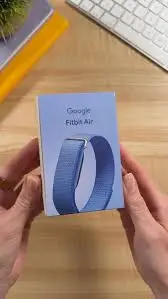
Google Fitbit Air is Google’s newest minimalist wearable designed for users who want health tracking without constantly staring at another screen all day. Unlike traditional smartwatches, the Fitbit Air removes the display entirely and instead syncs everything through the new Google Health App.
The device focuses heavily on:,
- Passive biometric tracking
- Sleep monitoring
- Activity tracking
- Recovery metrics
- AI-powered health insights
- Lightweight comfort
- Long battery life
Google clearly wants this to compete with screen-free wearables like Whoop while still staying connected to the broader Fitbit and Pixel ecosystem. And to be fair, the concept actually makes sense for some people.
The “Distraction-Free” Idea Is the Best Thing About It
This is where Google Fitbit Air genuinely stands out.
A lot of people are exhausted by smartwatch overload. Notifications during workouts, buzzing wrists during sleep, constant app interruptions, it defeats the purpose of focusing on health in the first place. Fitbit Air tries to strip all that away.
And surprisingly, the ultra-lightweight design may end up being one of its biggest strengths. At barely over 5 grams, some early users say they forget they’re even wearing it, which matters a lot for sleep tracking and long-term comfort.
The idea of collecting health data quietly in the background instead of constantly demanding attention feels refreshing for once.
Gemini AI Health Coach Sounds Impressive… Until It Doesn’t
This is where things start getting messier.
Google heavily markets the Gemini-powered Google Health Coach as one of the major reasons to buy Google Fitbit Air. The AI system is supposed to analyze your health patterns, workouts, recovery, sleep, and habits while giving personalized coaching and wellness feedback.
On paper, that sounds futuristic. In reality, some early complaints already point toward familiar AI problems:
- Hallucinated running logs
- Incorrect workout summaries
- Overly long text responses
- Delayed processing speeds
- Generic recommendations pretending to feel personal
That’s the strange thing about AI fitness coaching right now. Sometimes it feels genuinely useful. Other times it feels like a chatbot trying way too hard to sound insightful while misunderstanding basic data.
And when health tracking becomes dependent on AI interpretation, accuracy matters a lot more.
The Hardware Limitations Are Very Real
The minimalist approach absolutely comes with tradeoffs.
By removing the screen and shrinking the hardware, Google Fitbit Air also removes several features people already expect from premium fitness wearables.
Some of the biggest limitations include:
- No on-device display
- No standalone GPS
- No manual ECG readings
- Heavy dependence on phone syncing
- Connected GPS instead of built-in tracking
That last one matters more than people realize. If you’re used to devices like the Fitbit Charge 6 or premium smartwatches that can track runs independently, Fitbit Air may feel restrictive pretty quickly. You’ll likely still need your phone nearby for accurate route mapping and advanced tracking.
Minimalism sounds great until you suddenly realize features you relied on are gone.
Fitbit Air vs Whoop: The Subscription Question
A lot of comparisons are already happening between Google Fitbit Air and the Whoop band.
The biggest difference may come down to cost structure.
Whoop heavily depends on subscription pricing, while Google appears to position Fitbit Air as a lower upfront hardware cost with optional ecosystem integration through Google services. That alone may attract users who like the screen-free fitness trend but hate recurring wearable memberships.
Still, Whoop currently feels more mature in advanced recovery analytics, while Google seems to be betting heavily on AI-driven coaching becoming the future. Whether consumers actually trust AI-generated health guidance long term is another question entirely.
Can You Use Fitbit Air Alongside a Pixel Watch?
One thing Google seems to understand well is ecosystem integration.
Early information suggests users can pair Google Fitbit Air alongside devices like the Google Pixel Watch within the same Google Health environment. That setup could actually appeal to people who want passive wellness tracking most of the time while still using a full smartwatch occasionally.
In theory, it’s a smart ecosystem move, In practice, how smoothly all that syncing works will probably determine whether people stick with it.
Battery Life Looks Promising
One area where the minimalist design helps significantly is battery performance.
Without powering a bright display constantly, Fitbit Air reportedly delivers much longer battery life than traditional smartwatches. The quick-charge feature also looks genuinely practical, especially for users who hate overnight charging interruptions affecting sleep tracking. This may quietly become one of the product’s biggest advantages.
Is Google Fitbit Air Worth Buying?
Google Fitbit Air feels less like a traditional fitness tracker and more like Google experimenting with what wearable technology looks like after smartwatch fatigue finally sets in.
The lightweight design, passive tracking, distraction-free philosophy, and ecosystem integration genuinely make sense for users tired of screen overload. But the product also leans heavily on AI features that still appear inconsistent, while removing hardware features many fitness enthusiasts may actually miss.
Conclusion
Right now, Fitbit Air feels promising, but also unfinished in certain areas. If you love minimalist wellness tech and mainly care about passive health tracking, it could become one of the more interesting wearable launches of 2026. But if you expect advanced sports tracking, precise standalone functionality, or polished AI coaching, you may want to wait until Google refines the experience further.
Because at the moment, the hardware looks cleaner than the software feels.
Check out the Frownies Patch I reviewed earlier.