
The internet has officially entered its weird skincare era again, and this time the spotlight is on the so-called Celestvéra Microneedle Tanning Patch. Scroll through TikTok, Instagram, or random beauty ads long enough and eventually you’ll see it, a tiny patch claiming it can give you a full-body tan without sunlight, spray tan sessions, or tanning beds. Just stick it on your skin, let the microneedles work their magic, and supposedly wake up glowing bronze.
Sounds futuristic. Also sounds suspicious.
After digging into the claims, the science, and the growing number of customer complaints online, this trend looks a lot more concerning than revolutionary.
What Is the Celestvéra Microneedle Tanning Patch?
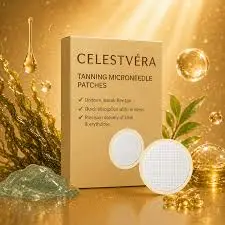
According to the marketing, the patch uses microneedle technology to deliver tanning ingredients beneath the skin. The ads make it sound incredibly advanced, almost pharmaceutical-level skincare mixed with cosmetic science. Some videos even imply the patch stimulates melanin production throughout the body, creating a natural-looking tan from one small adhesive square.
That’s where things start falling apart.
The human body simply doesn’t work the way these ads suggest. Skin pigmentation and melanin production are complex biological processes. A tiny localized patch causing full-body tanning raises serious scientific questions immediately, especially when the ingredient transparency is vague or incomplete.
The “Melanin Miracle” Claim Doesn’t Add Up
This is the biggest issue with the product.
The marketing pushes the idea that microneedles can somehow trigger widespread skin darkening across the body. But cosmetic science doesn’t really support that claim, at least not in the simple, harmless way the ads portray it.
For a patch this small to create noticeable full-body tanning effects, it would likely need to involve compounds that directly influence melanin production systemically. That’s where concerns around tanning peptides start entering the conversation, especially substances similar to Melanotan analogs, which are heavily regulated and controversial for a reason. These compounds are not casual beauty ingredients. They carry real medical and safety concerns, which is why many experts remain skeptical whenever social media products start promising dramatic tanning results through “secret peptide technology.”
The AI-Generated Ads Are Another Red Flag
A lot of the marketing surrounding Celestvéra Microneedle Tanning Patch looks eerily artificial. Some before-and-after images appear overly polished, heavily filtered, or outright AI-generated. In several ads, skin tones change so dramatically they barely resemble realistic cosmetic results anymore.
That matters because fake transformation ads have become one of the biggest warning signs in viral wellness marketing lately. Companies know dramatic visuals sell products faster than actual evidence does.
The problem is, when the advertising looks manufactured, consumers naturally start questioning the product itself.
Hidden Subscription Complaints Are Starting to Pile Up
Beyond the science concerns, there’s another issue frustrating buyers, billing complaints.
Recent online discussions from 2026 mention people unknowingly getting enrolled into recurring auto-ship subscriptions during checkout. Some customers claim they believed they were making a one-time purchase, only to later notice recurring charges tied to monthly shipments.
That kind of setup instantly damages trust. If customers have to dig through fine print just to avoid repeat billing, it creates the feeling that the company is relying more on checkout tricks than confidence in the actual product.
And unfortunately, that pattern has become extremely common with viral beauty and wellness products pushed through aggressive social media ads.
Is Microneedle Tanning Even Safe?
Microneedling itself is a real cosmetic procedure when performed properly by professionals. But there’s a huge difference between controlled skincare treatments and randomly puncturing your skin with mystery ingredients bought from a viral ad.
Your skin is your body’s protective barrier. Once you start using products that intentionally penetrate beneath the surface, ingredient safety becomes a much bigger deal. If the formulation isn’t transparent, tested, or medically regulated, consumers are basically trusting marketing videos over actual clinical reassurance.
That’s not a great trade-off.
Why This Trend Feels More Like Marketing Than Science
A lot of viral beauty products survive on one thing, people wanting quick results without asking too many questions. The Celestvéra Microneedle Tanning Patch fits perfectly into that formula. It combines luxury branding, dramatic visuals, pseudo-scientific buzzwords, and influencer-style advertising designed to trigger impulse purchases fast.
But when you strip away the hype, there’s still very little publicly available evidence proving the patch safely delivers the dramatic full-body tanning effects being advertised.
That gap between the marketing and the actual science is hard to ignore.
Is Celestvéra Legit or a Risky Wellness Trend?
The Celestvéra Microneedle Tanning Patch raises far more questions than confidence right now. Between the questionable science, concerns around possible tanning peptides, AI-looking transformation ads, and growing subscription complaints, the product feels less like a breakthrough and more like another viral wellness trend built for social media attention first.
That doesn’t automatically mean every customer experience is fake or that every patch contains dangerous ingredients. But consumers should absolutely approach products like this carefully, especially when the marketing promises effects that don’t line up cleanly with established cosmetic science.
Conclusion
Before putting microneedles and unverified tanning compounds into your skin, it’s probably worth slowing down and asking whether the glow being sold online is actually backed by anything real.
Check out the Frownies Patch I reviewed earlier.
I am glad that you put this up because I was going to try it, but after reading this no way. So thanks for informing us of this,much appreciated. Marie
There is nothing said that I found about getting the patch wet. You have to shower or take a bath. If I have missed something, I have also missed anyything about a customer service contact. Not impressed at all.
Thank you for the honesty…what a world we live in. We are victoms of ai a plethora of marketing scams…seems designed to do so.
How can I contact these people? I need to return this junk.
The instructions are very vague (and very small), so be skeptical.