
If you’ve been seeing ads for StopWatt lately, you’re not alone. The internet is flooded with videos and sponsored articles claiming this tiny plug-in device can slash your electricity bill, protect your appliances, and eliminate something they call “dirty electricity.” Some ads even drag Shark Tank into the story, claiming the product got investor backing on the show. Sounds convincing at first, until you actually start checking the facts.
After digging through the claims, reviews, and online investigations, the truth looks a lot less exciting. StopWatt appears to be another recycled electricity-saving gadget wrapped in aggressive marketing.
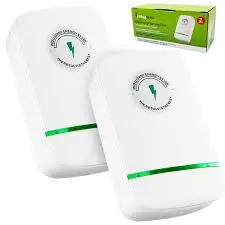
What Is StopWatt Supposed To Do?
According to the ads, StopWatt is designed to stabilize electrical currents in your home and reduce wasted energy. The company claims you simply plug it into a wall outlet and your electricity bill drops almost immediately. The marketing pushes phrases like “optimize power usage” and “clean dirty electricity,” which sound technical enough to impress people who aren’t electricians.
The problem is, the explanations never really hold up under scrutiny. Most of the ads stay vague because once you get into how household electricity actually works, the promises start falling apart pretty quickly.
Was StopWatt Really Featured On Shark Tank?
No. That claim is completely false.
Despite what the ads say, StopWatt was never featured on Shark Tank. None of the investors endorsed it, invested in it, or promoted it. This fake association has been used for years by sketchy online products because people naturally trust brands and shows they recognize.
This alone is a major red flag. Legitimate companies don’t need fake TV endorsements to convince people to buy their products.
The “Dirty Electricity” Claim Doesn’t Really Add Up
This is where the marketing starts sounding scientific without actually saying much.
The idea behind “dirty electricity” is that homes supposedly waste large amounts of power because of unstable electrical flow. StopWatt claims to fix this problem. But here’s the issue, these plug-in devices have existed for years under different names, and there’s no solid evidence showing they significantly reduce residential electricity bills.
Large factories sometimes use industrial power factor correction systems, but that’s completely different from a cheap plastic device plugged into a living room wall socket. Residential homes are not billed the same way industrial facilities are, which makes the comparison misleading from the start. In plain English, the technology being advertised doesn’t match the promises being made.
The Same Device Exists Online For Cheap
One of the biggest giveaways is how familiar the product looks.
You can find nearly identical devices on wholesale marketplaces under names like “electricity saving box.” Same design, same glowing green light, same claims. The only difference is the branding and the inflated price tag.
Sites like AliExpress and Temu have sold these generic devices for years. That’s why many people online believe StopWatt is simply another rebranded version of the same old product.
Why So Many People Think StopWatt Is A Scam
There’s a pattern with products like this, and StopWatt checks almost every box.
Fake endorsements
The Shark Tank story isn’t real.
Over-the-top promises
Claims about cutting power bills dramatically with almost zero effort sound unrealistic because they are.
Pressure tactics
Countdown timers, “limited stock” warnings, and dramatic sales videos are common scam marketing tricks.
Generic products
The same device appears all over cheap online marketplaces with different names slapped on it.
Vague explanations
The ads use technical-sounding phrases without giving real proof or detailed testing.
When you combine all of that together, it becomes difficult to take the product seriously.
Does StopWatt Actually Save Electricity?
There’s no reliable evidence showing that StopWatt delivers the kind of savings advertised online.
At best, the device may function like a very basic capacitor. At worst, it’s just an empty shell with a light inside designed to look convincing. Either way, the dramatic savings claims don’t seem grounded in reality.
Real energy savings usually come from practical changes, switching to LED bulbs, improving insulation, upgrading old appliances, unplugging unused electronics, or managing heating and cooling usage better. Those methods actually work because they’re based on measurable reductions in energy consumption. A tiny glowing box plugged into the wall isn’t going to magically cut your electric bill in half.
Is StopWatt Legit?
No, StopWatt does not appear to be legitimate.
Between the fake Shark Tank claims, recycled generic hardware, misleading advertising, and lack of credible proof, the product looks more like a long-running internet scam than a genuine energy-saving breakthrough
FAQs About StopWatt
Is StopWatt approved by Consumer Reports?
There’s no verified evidence showing Consumer Reports approved or endorsed StopWatt.
Does StopWatt reduce electricity bills?
There’s no reliable proof that it delivers the major savings advertised online.
Is the Shark Tank StopWatt episode real?
No. StopWatt was never featured on Shark Tank.
Is StopWatt the same as an electricity saving box?
It appears very similar to generic “electricity saving box” products sold cheaply on wholesale websites.
Conclusion
If you’re considering buying StopWatt, you’re probably better off keeping your money and focusing on real ways to lower your electricity bill instead of chasing miracle gadgets that rely more on marketing than actual performance.
Check out the Frownies Patch I reviewed earlier.