
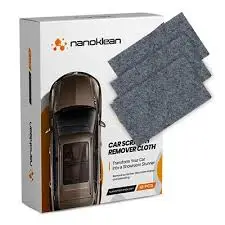
are you’ve seen the ads for the NanoKlean Scratch Remover Cloth. The videos make it look almost magical. Someone wipes a scratched car panel for a few seconds, the marks vanish instantly, and suddenly the vehicle looks showroom fresh again. No sanding, no polishing machine, no body shop bill, just one little “nanotech” cloth.
That’s exactly why people are falling for it.
The problem is, once you move past the flashy edits and dramatic before-and-after clips, the science behind the product starts looking a lot less impressive.
What Is the NanoKlean Cloth Supposed to Do?
According to the marketing, the NanoKlean cloth uses advanced nanotechnology to erase scratches, restore faded paint, and bring damaged panels back to life. Some ads even suggest it permanently repairs scratches with almost no effort.
That sounds great until you understand how automotive paint actually works.
Modern vehicle paint systems use multiple layers, primer, base coat, and a clear protective top layer called the clear coat. Once scratches go deep enough into that structure, fixing them requires actual paint correction, polishing, touch-up paint, or refinishing work. A cloth alone cannot magically rebuild missing paint.
That’s where the biggest issue with these viral scratch-removal products starts.
The “Scratch Removal” Is Mostly an Illusion
A lot of detailing experts point out the same thing, products like the NanoKlean Scratch Remover Cloth often rely on oils, silicone fillers, and lubricating compounds that temporarily hide surface imperfections rather than truly repairing them.
In simple terms, the cloth can make scratches look less noticeable for a short time by filling tiny marks and reflecting light differently. But that’s very different from permanently restoring damaged paint.
Once the oils wash away or wear off, many of those scratches start becoming visible again.
That’s the “abrasive deception” people online are talking about. The marketing frames temporary masking as permanent restoration, and those are not the same thing at all.
Deep Scratches Cannot Be Fixed by a Cloth
Here’s the reality most of the ads conveniently avoid mentioning.
If a scratch is deep enough that your fingernail catches when you run it across the surface, the clear coat has likely been penetrated. At that point, no cloth on earth is going to physically re-level the damaged paint layer.
Professional detailers repeat this constantly because it’s basic paint correction knowledge. Minor swirl marks and extremely light surface scuffs can sometimes be improved with polishing compounds, but deeper scratches require actual repair work.
That’s why the social media demonstrations can feel misleading. Most of the videos appear to focus on very light marks, dirt transfer, or surface-level scuffs under perfect lighting conditions. Real-world damage is a completely different story.
Some Users Report Hazy Paint After Use
Another concern showing up online involves haze and residue left behind after using these cloths. Since many of them rely on oily fillers and abrasive compounds, improper use can sometimes leave paint looking smeared, cloudy, or uneven under sunlight.
Dark-colored vehicles especially tend to expose these issues faster because every imperfection becomes more visible.
So while the ad videos show glossy transformations, actual results may vary a lot depending on paint condition, lighting, and how aggressive the cloth formula really is.
The Checkout Process Raises More Red Flags
Beyond the product itself, there’s another issue frustrating buyers, the checkout system.
Some customers claim the ordering process quietly pushes extra multi-pack quantities into carts automatically or heavily pressures buyers into bulk purchases before checkout is completed. That kind of billing tactic has become incredibly common with viral e-commerce products lately.
People think they’re ordering one item, then suddenly notice extra bundles, upsells, or recurring charges added during the payment process.
Even when technically disclosed somewhere in the fine print, it creates a trust problem immediately.
Why Products Like This Go Viral So Fast
Car owners hate scratches. That’s really the whole secret behind products like NanoKlean Scratch Remover Cloth becoming viral overnight. The ads tap directly into frustration and promise an easy shortcut instead of expensive detailing or repainting.
And to be fair, everyone wants the simple fix. Nobody wants to hear that proper paint correction takes time, skill, and sometimes real money.
But there’s a huge difference between improving the appearance of tiny surface marks temporarily and actually repairing damaged automotive paint permanently.
The ads blur that line intentionally because “temporary cosmetic masking cloth” doesn’t sound nearly as exciting as “nanotech scratch remover.”
Is NanoKlean Legit?
The NanoKlean Scratch Remover Cloth appears to rely more on cosmetic concealment than genuine paint restoration. While it may temporarily reduce the visibility of very light scuffs or surface imperfections, the dramatic claims shown in viral ads don’t really match the physical reality of how automotive paint repair works.
The science behind clear coat damage matters, and no microfiber cloth loaded with silicone oils is going to permanently fix scratches deep enough to penetrate paint layers. Add in the aggressive checkout tactics, exaggerated marketing, and overly polished social media videos, and it becomes clear why many buyers are starting to question the product.
Conclusion
If your car has real scratches, especially anything deep enough to feel with your fingernail, professional detailing or paint correction is probably the safer route instead of gambling on another viral “miracle” cloth.
Check out the Frownies Patch I reviewed earlier.