
The internet keeps finding new ways to sell people “miracle” beauty shortcuts, and now the spotlight has landed on the Sun-Free Glow Patch. If you’ve been scrolling through TikTok or Instagram lately, you’ve probably seen the ads already. Stick on a tiny patch, avoid the sun completely, and somehow wake up with a smooth golden tan like you just spent a week on a tropical beach.
It sounds convenient. It also raises a lot of questions.
Once you move past the influencer lighting, dramatic before-and-after videos, and polished marketing language, this whole trend starts looking a lot more concerning than revolutionary.
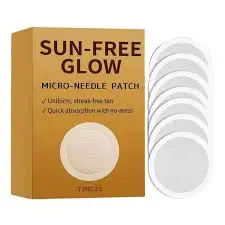
What Is the Sun-Free Glow Patch Supposed to Do?
According to the ads, the patch works by delivering tanning compounds through the skin using transdermal technology. The companies behind these products claim the patch naturally stimulates melanin production, giving users a darker skin tone without tanning beds, UV exposure, or spray tans.
That’s the sales pitch anyway.
The issue is that melanin production is not some simple cosmetic switch you casually flip on with a sticker. Human pigmentation involves complicated biological processes, hormones, and chemical signaling inside the body. So whenever a tiny patch claims it can safely create a noticeable full-body tan, consumers should immediately start asking tougher questions.
The Ingredient Transparency Problem
This is probably the biggest red flag surrounding products like the Sun-Free Glow Patch.
A lot of these viral tanning patches use vague wording about “peptide technology” or “melanin activation blends” without clearly explaining what’s actually inside them. That’s concerning because some experts worry certain products in this category may involve compounds related to Melanotan-II analogs or similar tanning peptides.
These are not casual skincare ingredients. Melanotan-related compounds have been controversial for years because they can affect the body systemically and carry potential risks involving nausea, blood pressure fluctuations, heart rate changes, and unpredictable pigmentation effects. They’re also heavily regulated in many places for a reason.
When companies start advertising dramatic tanning results while staying intentionally vague about active ingredients, people have every right to be skeptical.
Health Regulators Haven’t Approved These Patches
Another thing consumers need to understand is that these transdermal tanning patches are not broadly approved by major health regulatory agencies in places like the US or Canada.
That matters. Any product claiming to alter body pigmentation through chemical absorption deserves serious safety oversight. But many of these viral beauty products seem to exist in a gray zone where marketing moves much faster than regulation does.
And once you start dealing with transdermal delivery systems, you’re no longer talking about regular cosmetics sitting harmlessly on the skin surface. These patches are specifically designed to push substances through the skin barrier and into the body.
That changes the risk level completely.
The Social Media Marketing Looks Way Too Perfect
A lot of the ads pushing the Sun-Free Glow Patch feel engineered more for virality than transparency. The videos often show dramatic overnight transformations, impossibly even tanning, and heavily filtered skin results that barely look real anymore.
Some clips honestly resemble AI-enhanced beauty ads more than authentic customer experiences.
That’s become a recurring pattern with wellness products lately. Companies know polished visuals and emotional marketing outperform boring scientific explanations every single time.
But flashy ads don’t automatically mean safe products.
Buyers Are Complaining About Recurring Charges
Then there’s the billing side of the controversy.
Some 2026 customer complaints mention surprise monthly charges tied to hidden auto-ship programs. Buyers claim they thought they were placing a one-time order, only to later discover recurring subscription shipments tied to the purchase.
Others describe customer support becoming difficult or nearly impossible to reach once billing problems started.
That combination, hidden subscriptions plus support ghosting, has become one of the biggest warning signs in modern e-commerce scams.
Even when technically buried somewhere in the checkout terms, consumers understandably feel manipulated when recurring charges appear unexpectedly.
The Bigger Problem With Viral Wellness Trends
The reason products like these explode online is simple, they promise people an ideal result without effort. No sun damage, no tanning beds, no spray tan appointments, no waiting. Just stick on a patch and supposedly transform your skin tone safely.
That’s an incredibly powerful sales pitch.
But the further you look into the science behind these products, the harder it becomes to separate genuine cosmetic innovation from risky marketing hype.
And when unregulated chemicals potentially enter the equation, the stakes become much higher than just wasting money on another disappointing beauty product.
Is the Sun-Free Glow Patch Legit?
The Sun-Free Glow Patch raises major concerns involving ingredient transparency, medical safety, exaggerated advertising, and recurring billing complaints. The idea of achieving dramatic full-body tanning effects through a tiny patch already pushes scientific credibility, and the lack of clear regulatory approval only adds more skepticism.
That doesn’t automatically mean every version of these patches contains dangerous ingredients or that every customer experience is fake. But consumers should approach these viral tanning products very carefully, especially when companies avoid giving straightforward answers about what’s actually entering the body through the skin.
Conclusion
A glowing tan might sound tempting on social media, but unverified chemicals and hidden subscriptions are a much uglier reality once the filters come off.
Check out the Frownies Patch I reviewed earlier.