
If you’ve been anywhere near TikTok, Facebook, or YouTube lately, chances are you’ve seen the ads for the Autogo Foam Cleaner. The videos make it look ridiculous in the best possible way. One spray, one wipe, and suddenly years of stains, grease, and grime disappear from car seats, dashboards, door panels, and leather interiors like magic.
The problem is, real car detailing doesn’t work like a social media ad.
Once you get past the dramatic editing and perfectly staged demonstrations, the reality behind Autogo starts looking far less impressive, and for some buyers, genuinely concerning.
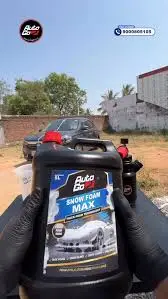
What Is Autogo Foam Cleaner Supposed to Do?
According to the marketing, the cleaner is designed to deep-clean leather, fabric, vinyl, plastic, and basically every surface inside your car. The ads push the idea that it instantly dissolves stains, lifts grease effortlessly, and restores interiors back to factory condition with minimal effort.
That’s a huge promise for what is essentially being sold as a simple spray foam cleaner. And this is where many customer complaints begin.
Buyers Say the Product Feels Weak in Real Life
One of the biggest complaints surrounding the Autogo Foam Cleaner is what some people describe as “chemical deception.” In simple terms, buyers expected an industrial-strength detailing solution based on the ads, but claim they received something that behaves more like diluted soap water.
A lot of users online say the cleaner struggles with anything beyond light dust or surface dirt. Grease stains, embedded grime, and tougher interior marks often remain visible even after multiple attempts.
That’s very different from the “spray once and wipe away years of dirt” fantasy shown in viral videos. And to be fair, no serious professional detailer would expect a generic foam spray alone to handle deep contamination without agitation tools, brushes, extraction equipment, or proper cleaners designed for specific materials.
The Leather Damage Concern Is a Bigger Deal
This is where the conversation gets more serious.
Some detailing discussions surrounding similar viral foam cleaners raise concerns about harsh pH levels and overly aggressive cleaning agents. On delicate leather interiors, especially coated luxury leather, repeated use of strong cleaners can gradually strip protective coatings and dry out the material over time.
That matters because modern automotive leather is not just raw leather anymore. Most car interiors use protective finishes that need balanced cleaners, not random high-alkaline chemical mixes bought through flashy social media ads. If a cleaner is too harsh, the damage doesn’t always appear immediately. Sometimes the fading, cracking, or dull texture starts showing months later after repeated use.
That’s why experienced detailers are usually very careful about what products they apply to high-end interiors.
Viral Car Cleaning Videos Rarely Show the Full Story
A lot of Autogo’s marketing follows the exact same formula many viral cleaning products use.
The ads show impossible levels of dirt magically vanishing in seconds. But what viewers usually don’t see are pre-treated surfaces, edited clips, multiple cleaning passes, or lighting tricks designed to exaggerate the transformation.
Some videos even appear to use grime that was intentionally easy to remove in the first place.
It creates the illusion that the foam itself is doing all the work, when in reality professional detailing almost always involves multiple tools, techniques, and products working together.
The Return and Refund Complaints Keep Appearing
Another issue frustrating buyers is customer support.
Some 2026 complaints mention difficulty getting refunds, unanswered emails, or return processes that suddenly become complicated once the product arrives and disappoints people. Others claim the cleaner appears identical to cheap mass-produced products already available online for a fraction of the price.
That’s another pattern consumers have started recognizing with viral e-commerce products lately. A generic product gets rebranded with flashy marketing, marked up heavily, and pushed aggressively through social media ads.
Once customers realize the results don’t match the videos, support suddenly becomes difficult to reach.
Is Autogo Worth Buying?
To be fair, foam cleaners themselves are not automatically scams. Some work perfectly fine for light maintenance cleaning and basic interior upkeep. The problem here is the gap between the marketing claims and realistic expectations.
The Autogo Foam Cleaner is being advertised like a miracle-grade detailing solution capable of replacing professional cleaning methods entirely. That’s where the skepticism comes from. No spray foam is going to permanently erase years of wear, deep staining, or damaged interior materials with one wipe.
And when harsh chemicals potentially enter the mix, especially on leather surfaces, consumers have good reason to slow down before spraying random products all over expensive interiors.
Is Autogo Foam Cleaner Legit or a Scam?
The Autogo Foam Cleaner looks far more like a heavily marketed viral cleaning product than a true detailing breakthrough. While it may handle light surface cleaning reasonably well, the dramatic “instant restoration” claims pushed in advertisements appear exaggerated compared to real-world experiences from buyers.
Concerns around weak cleaning performance, potential leather damage from harsh formulas, refund frustrations, and mass-produced rebranding only add more skepticism around the product.
Conclusion
If your vehicle has serious interior stains or delicate leather surfaces, trusting a random viral foam cleaner from social media ads probably isn’t the safest move. In many cases, professional-grade detailing products, or an actual detailer, will save you far more money and frustration in the long run.
Check out the Frownies Patch I reviewed earlier.